
- Your cart is empty Browse Shop
Top Picks
Best Products for Senior Cats: Comfort and Mobility (2026 Complete Guide)
Orthopedic beds, easy-access litter boxes and pet stairs compared, so your older cat stays comfortable, mobile and happy.
It happens gradually: the jump to the windowsill gets a pause before it, the favorite chair gets visited less, and one day you realize your cat has quietly reorganized their whole routine around avoiding effort. Cats hide discomfort better than almost any animal, so by the time you notice stiffness, your senior cat has usually been managing it for a while.
The good news is that a few well-chosen products give an older cat back most of what age takes: a warm supportive bed for aching joints, a litter box that does not require a high step, and stairs that make the sofa and your bed reachable again. This guide covers the three upgrades that make the biggest difference for cats in their golden years.
Our Top-Rated Senior Cat Products
Best Value
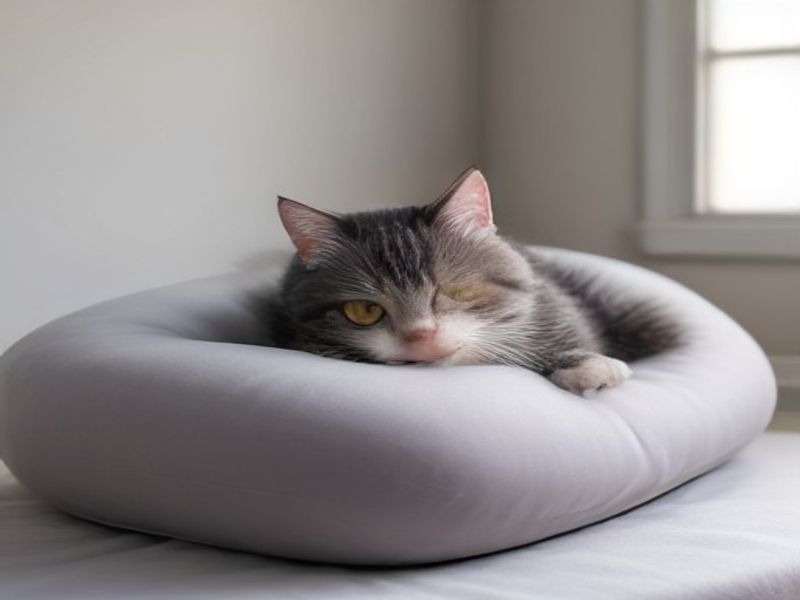
Orthopedic Cat Bed
Best for aching joints
- Memory foam joint support
- Low entry edge, bolster rest
- Machine-washable cover
- Warmth-holding materials
- Deeper, longer sleep
Smart Pick
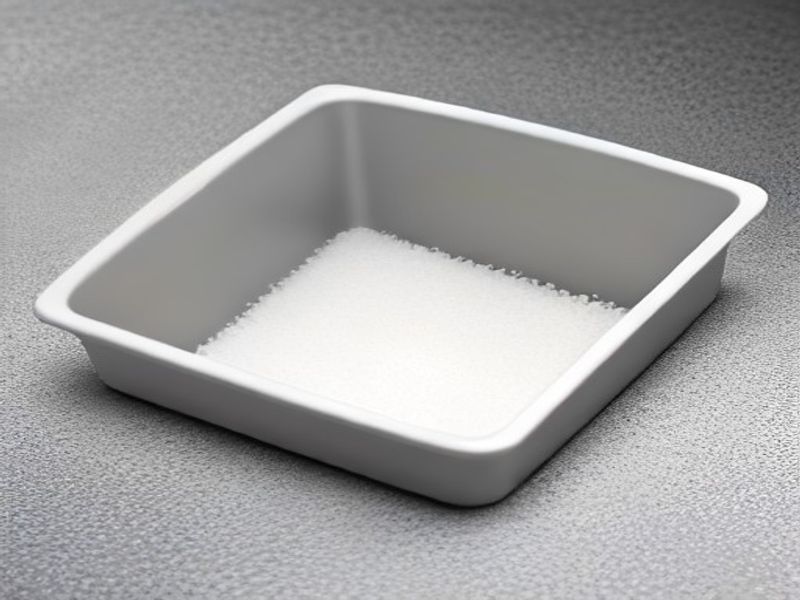
Low-Entry Litter Box
Best for easy bathroom access
- Step-in entry under 3 inches
- High sides everywhere else
- Fewer accidents immediately
- Easy to clean smooth plastic
- Kind to arthritic hips
Premium Pick
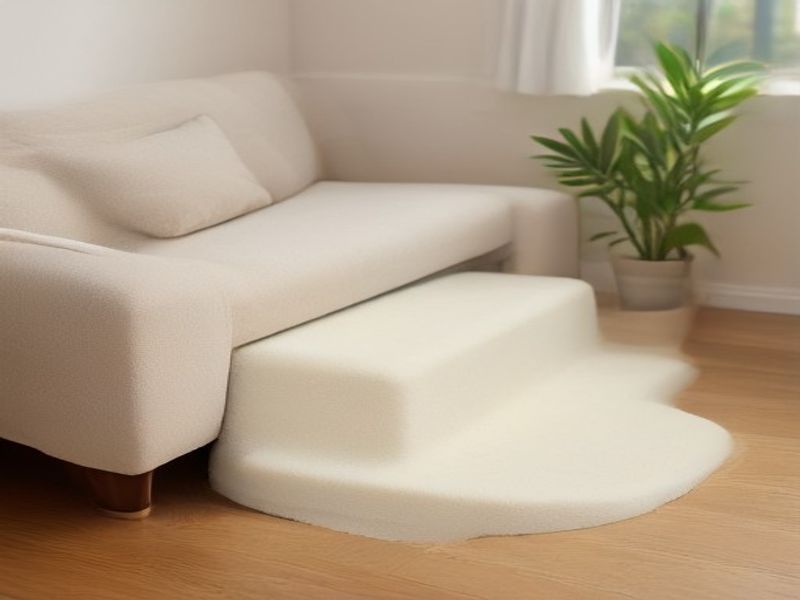
Cat Stairs and Ramps
Best for reaching favorite spots
- Small steps replace big jumps
- Non-slip base and treads
- Sofa and bed back in reach
- Light, easy to reposition
- Protects joints every day
Why Senior Cats Need Different Gear
Most cats over 12 have some degree of arthritis, and studies of older cats put the number as high as 90 percent. It rarely looks like limping; it looks like hesitating before jumps, sleeping more, grooming less, and sometimes missing the litter box because climbing in hurts. Owners chalk it up to slowing down, but much of it is manageable discomfort.
The right environment changes behavior fast. Vets consistently report that seniors with supportive beds, low-entry boxes and ramps stay more active, keep healthier weight, and have fewer accidents. None of it replaces a checkup, but gear built for aging joints removes the daily friction that makes old cats retreat from family life. Seniors with outdoor access also wander off routine more easily as they age, which is exactly where a GPS cat collar earns its keep.
The Three Upgrades: Bed, Box and Steps
Orthopedic beds use memory foam or high-density foam to support joints instead of letting a bony senior sink to the cold floor, and many add bolster edges for head support and security. Low-entry litter boxes drop the step-over height from the usual 5 to 7 inches down to 2 or 3, the difference between comfortable and painful for arthritic hips. Pet stairs and ramps rebuild the vertical routes your cat has always used, the couch, the bed, the window perch, in small steps instead of big leaps. Together they cover sleeping, bathroom and mobility, the three places age bites first.
Foam, Heights and Grip: What Separates Helpful from Decorative
Senior gear works only if it genuinely reduces effort, and the details decide that. A pretty bed with thin padding or a cute set of stairs that wobbles will be ignored by a cat that has learned to avoid discomfort.
In beds, look for real memory foam or high-density orthopedic foam at least 2 inches thick; a senior cat’s weight should not bottom out to the floor. A low bolster on one side gives the classic chin-rest cats love while keeping one entry edge low. Removable, machine-washable covers matter more with seniors, since accidents and heavier shedding come with the territory.
For litter boxes, the entry height is the whole product: 3 inches or less for a comfortable step-in, with high sides on the other three walls for cats that stand while they go. For stairs and ramps, stability and traction decide everything: wide treads, a non-slip base, and carpet or fabric surfaces. Cats refuse anything that shifts underfoot, and one bad wobble can put a cautious senior off the stairs for good.
How to Choose the Right Setup for Your Senior Cat
Watch where your cat struggles first. Sleeping stiff and choosing the floor over furniture points to the bed. Accidents next to the box, or a long pause before climbing in, points to the low-entry box. Staring up at the couch and choosing not to jump points to stairs. Most seniors eventually benefit from all three, but start where the friction is worst.
- Real orthopedic foam, 2+ inches, that does not flatten under weight
- Entry height of 3 inches or less on the litter box
- Non-slip, wide steps— stability is what cats actually test
- Washable covers and surfaces for the accidents that come with age
- Warmth: seniors seek heat; consider pairing with a heated bed in winter
Budget-wise this is friendly territory: all three upgrades together cost less than a single vet visit for a urinary accident caused by box avoidance. If you can only buy one thing this month, buy the low-entry litter box; bathroom friction causes the most misery for cat and owner alike, and the fix is immediate.
These are the three senior upgrades that earn our recommendation in 2026, one for each part of your old friend’s day.
Orthopedic Cat Bed - Full Review
Who It is Best For
The orthopedic bed is for any cat past 10, any cat with diagnosed arthritis, and honestly any bony or thin cat that has started choosing warm flat spots over furniture. If your senior sleeps 18 hours a day, and they do, the surface those hours happen on matters more than any other purchase you can make.
The heart of the product is the foam: memory foam or high-density orthopedic foam that supports joints and keeps the body off the cold floor. Quality beds keep their loft for years instead of flattening in months.
Material & Durability
Covers take the abuse, so removable and machine-washable is non-negotiable with seniors. Bolster edges add security and a chin rest, with a lower front edge for easy step-in.
Why We Like It
- Visible relief: owners report stiffer cats moving easier after switching to real foam
- Warmth without electricity: foam plus plush holds body heat where seniors want it
- Easy in, easy out: low entry edge means no climbing to rest
Our verdict: the highest-comfort-per-dollar purchase in senior cat care. Put it where your cat already sleeps, in the sun if you can, and watch it become the permanent address.
Low-Entry Litter Box - Full Review
Who It is Best For
The low-entry box is for any senior that hesitates at the litter box, has started having accidents nearby, or shows stiffness climbing in. It is also the right call after any leg injury or surgery, and for extra-large cats that find standard boxes cramped to maneuver in. If accidents appeared out of nowhere in an older cat, try this before assuming a behavior problem, and mention it to your vet.
Material & Durability
Look for an entry height of 3 inches or less, smooth rigid plastic that will not crack, and high walls on the remaining sides to contain enthusiastic diggers and cats that stand while urinating. Some models add a small ramp lip which arthritic cats appreciate. Size still matters: the box should be one and a half times your cat’s length, seniors included.
Why We Like It
- Instant fix: accidents caused by entry pain often stop the first week
- Dignity preserved: no more awkward climbing for a cat that was always graceful
- Cheap insurance: costs a fraction of one urinary vet workup
Our verdict: the single most impactful senior purchase. Bathroom comfort touches every day, twice a day or more, and this removes the pain from it for a few dollars.
Cat Stairs and Ramps - Full Review
Who It is Best For
Stairs and ramps are for the senior that still wants their spots, the sofa arm, your bed, the window perch, but has started rationing jumps. They are also perfect for cats recovering from surgery and for small or big-bodied cats that were never great jumpers. If your cat sleeps somewhere lower than they used to, this is the product that reverses it.
Material & Durability
Stability is the whole game: a wide non-slip base, treads with carpet or fabric grip, and enough weight that the unit does not skate on hard floors. Foam stairs are light and joint-friendly; wooden ones last decades. Match the height to the destination, and place the stairs flush against the furniture, cats distrust gaps.
Why We Like It
- Territory restored: the bed and couch come back into the routine
- Joint protection: every avoided jump is wear the hips do not take
- Confidence effect: seniors visibly move more once routes feel safe
Our verdict: the upgrade owners underestimate most. It looks like furniture clutter until you watch a 14-year-old stroll up to their window seat like they are 5 again.
How We Choose the Products We Recommend
Senior products get judged by one standard here: does it measurably reduce effort or discomfort for an aging cat? Cute does not count; thin foam and wobbly steps do not count.
- Real support materials: measured foam density and thickness, not marketing fluff
- Entry and step heights that arthritic joints can actually manage
- Stability and traction tested by cautious, distrustful senior cats
- Washability, because senior life includes accidents
- Long-term owner reviews from multi-year senior households
We also favor products that vets and feline physiotherapists recommend in practice, since senior comfort is one category where professional consensus is strong and clear.
Frequently Asked Questions
At what age is a cat a senior?
Most vets call 11 and up senior, with 15 and up geriatric, but bodies age at different speeds. The better markers are behavioral: hesitating before jumps, sleeping in easier-to-reach spots, grooming less thoroughly, stiffness after naps. Whenever those appear, senior-friendly gear starts paying off, whatever the birthday says.
My senior cat has accidents. Is it behavioral?
Assume physical first. In older cats, accidents beside the box usually mean the entry hurts, the box is too far away, or a medical issue like arthritis or a urinary problem. Add a low-entry box near the accident spot and book a vet check. Punishing or retraining an old cat for what is almost always pain misses the real cause and damages trust.
Will my cat actually use stairs?
Most do, with placement and patience. Put the stairs flush against the furniture your cat already wants to reach, make sure they do not wobble even slightly, and reward the first exploration with treats. If your cat keeps jumping past them, try a ramp instead; some cats prefer a slope to steps, especially with wrist arthritis.
What else helps an aging cat at home?
Keep resources on every floor so stairs are optional: a bed, water and a box on each level. Raise food and water bowls a few inches, arthritic necks appreciate it. Keep nails trimmed since seniors scratch less and overgrown claws snag. And add warmth: a heated bed is the senior luxury that quickly becomes a necessity in winter.
Round out senior comfort with our guides to the best heated cat beds for arthritic warmth, the best cat calming products for seniors that grow anxious with age, and the best cat water fountains to keep aging kidneys well hydrated.
One habit to pair with any purchase: a twice-yearly vet check after age 11. Arthritis, kidney disease and thyroid issues are all very manageable when caught early, and the gear on this page works best alongside a vet who knows your cat’s baseline.
A senior cat gave you their best years; these products give some of that comfort back. Lower the box, soften the bed, shorten the jumps, and your old friend will spend their golden years in the middle of the family, right where they belong.
Keep Exploring
Related guides from vphGoods: Best Heated Cat Beds · Best Cat Beds · Best Self-Cleaning Litter Boxes
Cart (0 items)