
- Your cart is empty Browse Shop
Top Picks
Best Self-Cleaning Litter Boxes Worth the Money (2026 Complete Guide)
Stop scooping every day: how self-cleaning boxes work, which ones are safe, and the three worth your money in 2026.
Scooping the litter box is the one cat chore nobody misses a day of without consequences. Skip it once and the smell tells on you; skip it twice and your cat starts eyeing the laundry basket instead. For busy households and multi-cat homes, the box quietly becomes the most demanding thing about living with cats.
Self-cleaning litter boxes promise to take that chore off your plate, and the good ones genuinely deliver: a fresh box after every visit, odor sealed in a drawer, and scooping reduced to emptying a tray once a week. But the category runs from clever $40 sifting trays to $600 robots, and the wrong pick is an expensive mistake. This guide sorts out what actually works in 2026.
Our Top-Rated Self-Cleaning Litter Boxes
Best Value
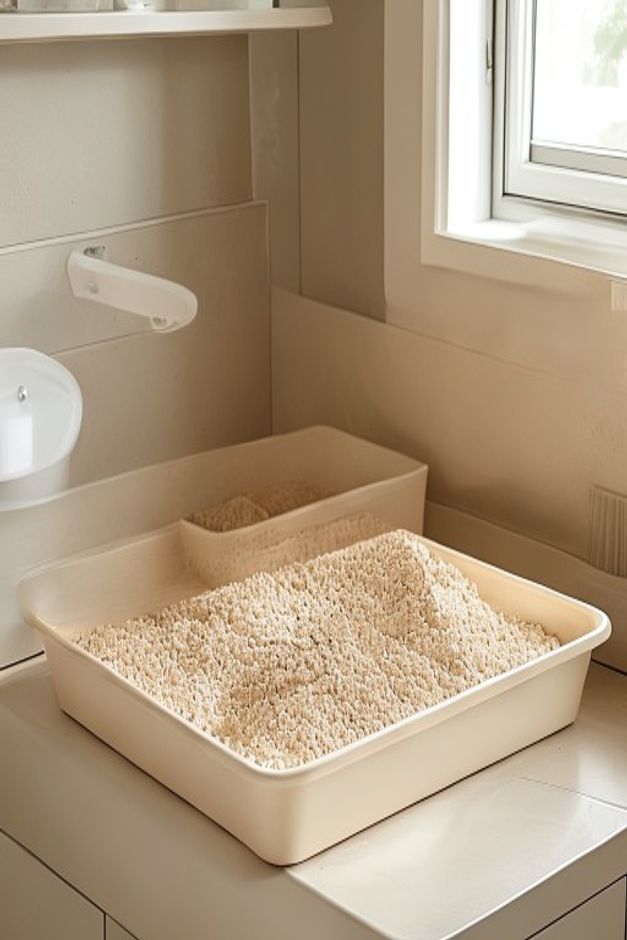
Sifting Litter Box System
Best budget upgrade
- No motor, nothing to break
- Scooping down to seconds
- Works with any clumping litter
- Safe for kittens and seniors
- Costs less than a vet copay
Smart Pick
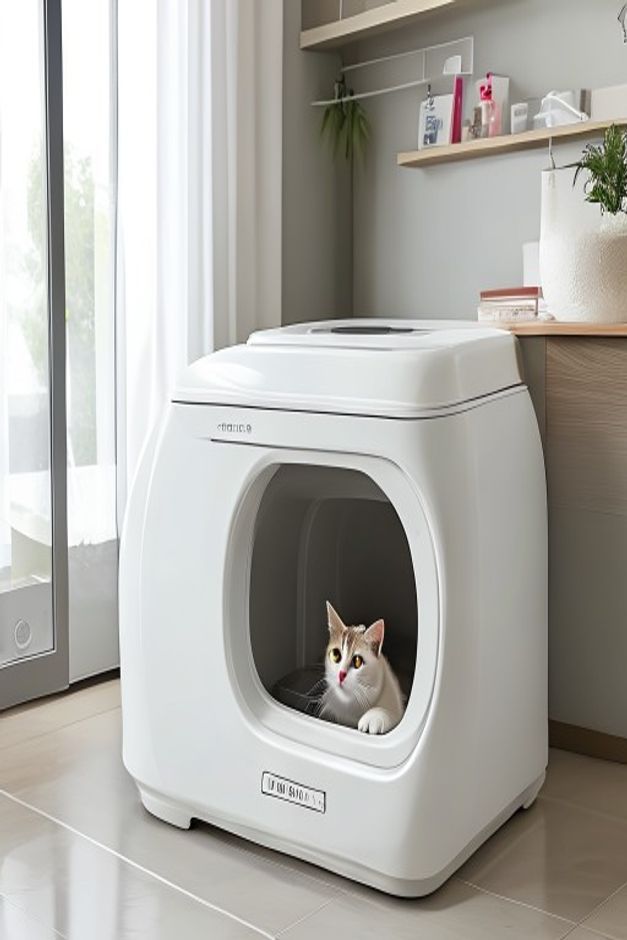
Automatic Rake Litter Box
Best for busy households
- Cleans minutes after each visit
- Covered waste compartment
- Motion sensor auto-pause
- Quiet cleaning cycle
- Days between hands-on tasks
Premium Pick
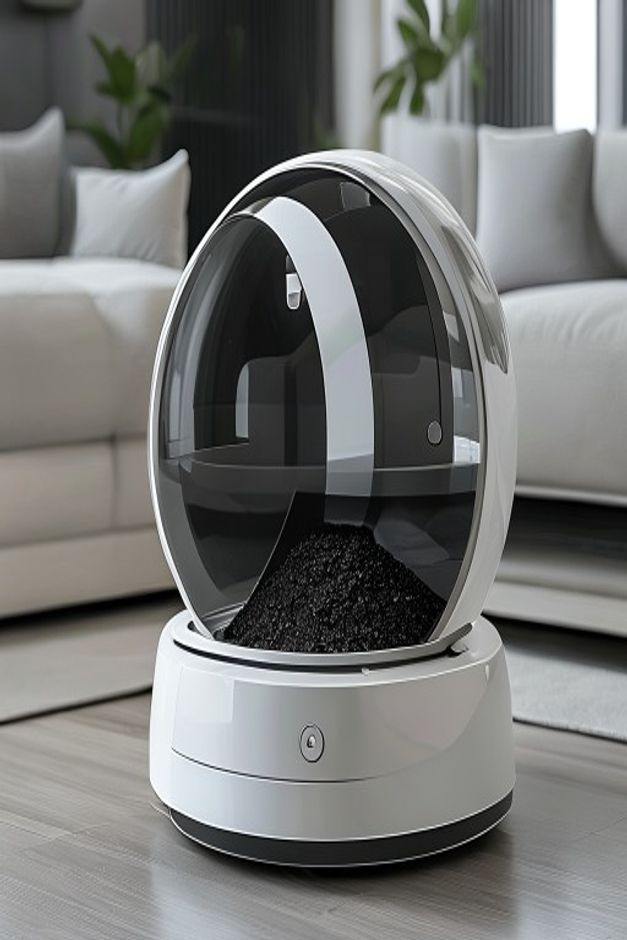
Rotating Self-Cleaning Robot
Best hands-off experience
- Fully automatic drum cleaning
- Weight sensors + safety pause
- Sealed odor-trapping drawer
- App alerts when drawer is full
- Handles multi-cat homes
Why a Cleaner Box Matters More Than You Think
Cats are famously picky about their bathroom, and it is not vanity, it is instinct. A soiled box tells a cat the territory is unsafe, and the most common result is the one every owner dreads: going outside the box. Veterinary behaviorists consistently rank a dirty litter box among the top causes of accidents in otherwise healthy cats.
A box that cleans itself after every visit stays inviting around the clock, which protects your floors and your cat’s habits. It also pays off in odor control, since waste gets moved into a sealed compartment within minutes instead of sitting in the open until the next scoop, and in multi-cat homes it keeps the peace when several cats share territory.
The Three Types: Sifting, Rake and Rotating
Sifting systems are the no-motor option: stacked trays or a rollable box you tip once a day, cheap and unbreakable. Rake systems use a motorized comb that sweeps clumps into a covered compartment a few minutes after your cat leaves. Rotating models are the robots: a drum slowly turns, sifts the litter, and drops waste into a sealed drawer below, the most hands-off and the most expensive. Each step up buys you less daily effort for more money.
Sensors, Safety and What Separates Good from Gimmick
A machine that moves while your cat is inside needs to be trustworthy before it is convenient. The difference between a great self-cleaning box and a returned one is almost always sensors and build quality.
Good units pair weight sensors with motion detection, pause instantly if a cat approaches mid-cycle, and wait a set delay after each visit before cleaning. Look for a listed minimum cat weight, most rotating models need cats over 5 pounds to detect them reliably, which is why kittens should wait. The waste drawer should seal well and use standard bags or liners, not overpriced proprietary refills only the manufacturer sells.
Litter compatibility is the quiet dealbreaker: most rake and rotating units need hard-clumping litter, while some rake systems require crystal litter refills that add up monthly. Noise matters too, a cleaning cycle louder than a quiet dishwasher will spook exactly the cat you bought it for.
How to Choose the Right One for Your Cat
Match the machine to your cat and your tolerance for maintenance, not to the flashiest feature list.
Look for: Weight and motion sensors with an auto-pause, non-negotiable on motorized units. A minimum cat weight your cat actually meets. Compatibility with regular clumping litter. A sealed waste drawer sized for your number of cats. Interior space where a large cat can turn around comfortably. A cleaning cycle quieter than 50 decibels. Standard bags instead of proprietary refills.
Budget rule of thumb: one easygoing cat and a tight budget points to a sifting system; one or two cats and a busy schedule justifies a rake unit; multiple cats or a true set-and-forget goal is where the rotating robots earn their price.
With the types and safety checks covered, here are the three self-cleaning setups we recommend in 2026, one at each budget level.
Sifting Litter Box System - Full Review
Who It is Best For
The sifting system is for anyone who wants the chore smaller without trusting a machine: budget-minded owners, kitten households where motorized boxes are off-limits, and skittish cats that would never forgive a moving floor. You still participate, but a two-minute scoop becomes a ten-second sift.
Expect sturdy stacked polypropylene trays or a rollable enclosed box with an internal grate. There is nothing electronic to fail, so lifespan comes down to plastic thickness, and good ones survive years of daily sifting. Antimicrobial plastic and smooth, snag-free grates are the quality markers to check.
Material & Durability
Rinse the trays monthly, replace them every couple of years, and that is the entire maintenance story. It is the only category in this guide with a zero-dollar operating cost.
Why We Like It
Cheapest path out of daily scooping. No motor noise to scare anyone. Any litter, any cat, any age. Nothing to unplug, update, or repair.
It is not automatic, but it removes most of the unpleasantness for a tenth of the robot’s price. For one easygoing cat, this is the honest value play.
Automatic Rake Litter Box - Full Review
Who It is Best For
The rake unit fits busy one- and two-cat households that want the box handled on weekdays without paying robot prices. If you travel occasionally, work long shifts, or simply never want to smell the box again, this is the sweet spot of price and automation.
Material & Durability
A motorized comb sweeps the litter bed into a covered compartment after a sensor-triggered delay. Check the rake gears and track, that is where cheap units fail, and confirm it runs on regular clumping litter; some models lock you into crystal litter trays that cost real money monthly. A quiet motor and a metal-reinforced rake are worth paying for.
Why We Like It
Waste is covered within minutes of every visit. Sensor pause keeps curious cats safe. Weekly maintenance instead of daily. No app required to get the core job done.
The rake box is the pragmatic middle: most of the robot experience at a fraction of the cost. Budget for litter compatibility before you buy and it rarely disappoints.
Rotating Self-Cleaning Robot - Full Review
Who It is Best For
The rotating robot is built for multi-cat homes, owners who genuinely never want to think about litter, and households where odor is the number one complaint. It is the category people mean when they say a self-cleaning box changed their life, and the one that costs accordingly.
Material & Durability
A weight-sensing drum rotates after each visit, sifting clumps into a sealed, carbon-filtered drawer. The engineering that matters: reliable cat detection down to the stated minimum weight, an anti-pinch pause, a drawer that seals odor for days per cat, and standard trash bags in the drawer. Expect years of service from reputable brands, with motors and sensors as the replaceable parts.
Why We Like It
Genuinely hands-off for a week or more per cat. Best odor control of any litter setup. App tracks usage, a quiet early-warning sign for health issues. One unit can replace several regular boxes.
If the budget allows and your cats meet the weight minimum, the robot is the endgame. Buy it for the odor control and the reclaimed time; the app is a bonus, not the point.
How We Choose the Best Self-Cleaning Litter Boxes
Automation plus a live animal means safety leads our criteria, and convenience only counts when cats actually keep using the box:
Sensor reliability and auto-pause behavior above all. Realistic minimum cat weights, honestly stated. Compatibility with normal clumping litter over proprietary refills. Odor performance measured at the drawer, not in the brochure. Noise low enough not to spook a shy cat. Cost of ownership over two years, including refills and replacement parts.
We skip units with a history of sensor failures no matter how good the price looks; a self-cleaning box your cat refuses to enter is the most expensive box you can buy.
Frequently Asked Questions
Are self-cleaning litter boxes safe for cats?
Quality units are, thanks to layered protection: weight sensors, motion detection, delayed cycles, and instant pause if a cat approaches. The rules that matter: respect the manufacturer’s minimum cat weight, keep kittens under about 5 pounds on a regular box, and buy from brands with a reputable safety record instead of the cheapest lookalike.
Will my cat actually use one?
Most cats transition fine with patience. Place the new box next to the old one, run it manually a few times so the sounds are familiar, and do not remove the old box until the new one is being used daily, usually one to two weeks. Skittish cats do best with the quietest models or a no-motor sifting system.
Are they worth the money?
Do the math on your own scooping: five minutes a day is 30 hours a year, per box. Add the odor improvement and cleaner floors, and rake units justify themselves quickly for busy homes; the robots make the most sense for multi-cat households, where they replace several boxes and daily scooping at once.
How much maintenance do they really need?
Less than regular boxes, but not zero. Expect to empty the waste drawer every few days to weekly per cat, top up litter as it depletes, and do a full wash of the unit monthly. You are trading daily scooping for a short weekly routine, which is exactly the trade most owners want.
Automate the rest of the routine with our guides to the best automatic cat feeders and best cat water fountains, or compare classic options in our best cat litter boxes guide.
One transition trick: sprinkle a scoop of litter from the old box into the new one the first week. The familiar scent tells your cat the new machine is already approved territory, and it speeds up adoption more than any treat.
A litter box that cleans itself keeps your cat happier, your home fresher, and hands you back a daily chore for good. Pick the tier that fits your budget and your cat’s temperament, give the transition two patient weeks, and you will wonder why you scooped for so long. If your cat also spends part of the day outdoors, a GPS tracker for cats is the other set-and-forget upgrade worth making.
Keep Exploring
Related guides from vphGoods: Best Cat Litter Boxes · Best Senior Cat Products · Best Automatic Cat Feeders
Cart (0 items)