
- Your cart is empty Browse Shop
Top Picks
Kitten Essentials Checklist: Everything You Need for a New Kitten (2026 Complete Guide)
The complete shopping list for the first week with a kitten, plus the three purchases that matter most, so you buy once and buy right.
The kitten is coming home Saturday and the pet store has forty aisles. Every list online is either three items long or a hundred, half the products are sized for adult cats, and nobody tells you which purchases can wait a month and which ones you will regret skipping at 2 a.m. on the first night. New kitten owners overspend on toys and underspend on the boring things, then discover the litter box is too tall and the bowl is too deep.
This guide is the list we wish we had: what a kitten actually needs on day one, what can wait, and what to skip entirely. It ends with the three purchases that solve most of the checklist in one go: a complete starter kit, kitten-sized bowls, and a low-entry litter box a ten-week-old can climb into. Get those right and the rest is treats and toys.
Our Top-Rated Kitten Essentials
Best Value
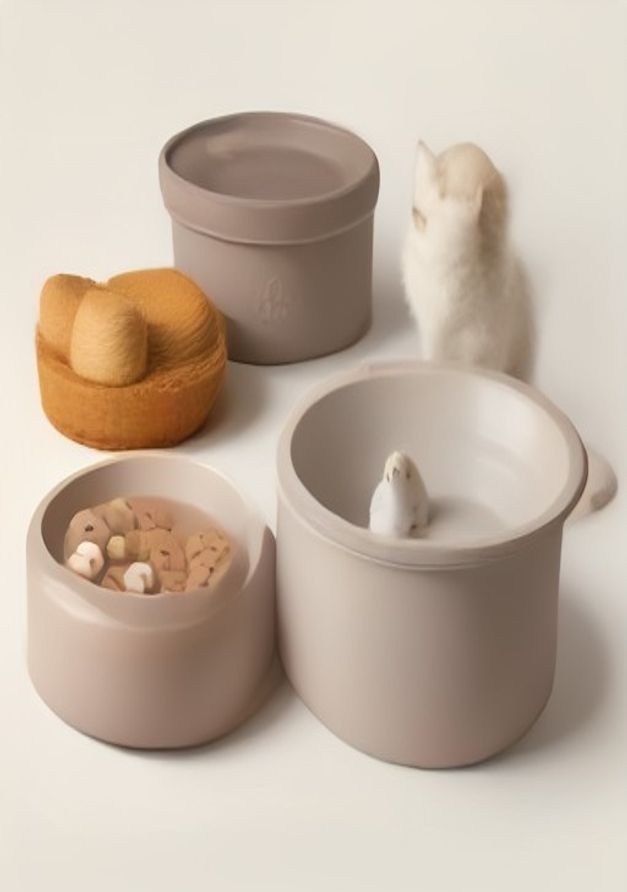
Hlimior Kitten Starter Kit
Best for covering the whole list
- 15 kitten-sized basics
- Litter box, bowls, toys, collar
- Scratch pad and collar included
- Cheaper than buying separately
- Ready for day one
Smart Pick
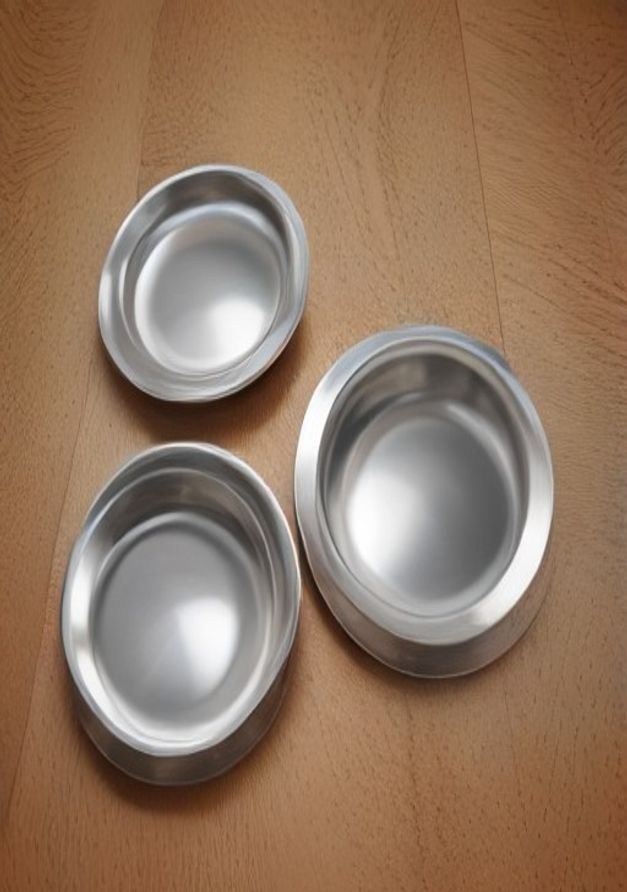
Harhana Shallow Bowl Set
Best for whisker-friendly meals
- Wide and shallow for whiskers
- Stainless steel, no chin acne
- Sized for kitten portions
- Dishwasher safe
- Still right for an adult cat
Premium Pick
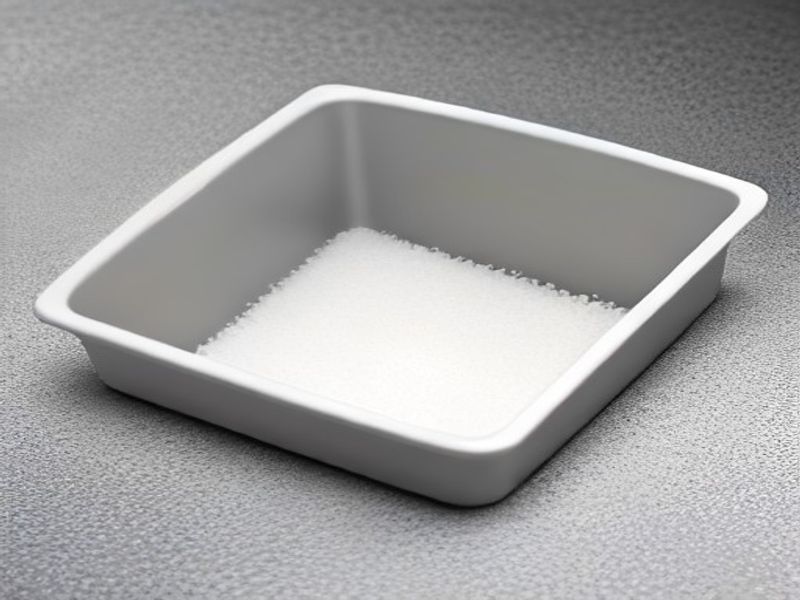
Low-Entry Kitten Litter Box
Best for reliable litter training
- Entry a kitten walks into
- Open top, no scary lid
- Sides high enough to stop scatter
- Smooth plastic, easy to scrub
- Doubles as a senior box later
Why the First Two Weeks Set Up Everything
Kittens between 8 and 14 weeks are in their social learning window, when they decide what is normal: the litter box, the carrier, the scratcher, being handled, even the sound of nail clippers. Habits formed now stick for life, and problems formed now, like a kitten that learned to potty on the bath mat because the litter box was too tall, take months to undo. The equipment you buy in week one is really a set of lessons you are about to teach.
It also keeps a tiny animal safe. A kitten can fall from a counter-height bowl stand, get stuck behind a covered litter box lid, or swallow the string off a cheap toy. Kitten-sized, simple, sturdy gear prevents the emergency vet trip nobody budgets for.
The Checklist: Day One, First Month, and Later
Day one: a low-entry litter box with unscented clumping or pellet litter and a scoop; shallow food and water bowls; the same kitten food the breeder or shelter used, switched slowly over a week; a soft bed or blanket in a quiet room; a carrier for the trip home and the first vet visit; a breakaway collar with an ID tag (once they’re grown, a cat tracker collar is worth adding); and a couple of safe toys, a wand and a few small balls. First month: a cardboard or sisal scratcher, kitten-safe nail clippers, a soft brush, a second litter box if the home has more than one floor, and enzymatic cleaner for accidents. Later: a cat tree, a window perch, a water fountain and the fun upgrades. Skip for now: covered litter boxes, deep bowls, adult-sized harnesses, and anything with dangling string or small parts that come off.
Starter Kit vs. Buying Piece by Piece
Starter kits bundle 15 to 30 kitten basics for less than buying separately, and they are a genuinely good idea, with two caveats.
A good kit covers the essentials in kitten sizes: a small litter box and scoop, two shallow bowls, a soft bed, a scratch pad, a collar, a brush, a nail file and a handful of toys. The savings are real and the sizing is right, which is the part most first-time owners get wrong at the store. The bed and toys in kits are basic, but a kitten does not care about basic.
The caveats: the litter box in most kits is small and low, perfect for weeks 8 to 16 and then outgrown, so plan on a full-size box by month four. And the bowls are sometimes plastic, fine for a kitten but worth upgrading to steel or ceramic once the chin-acne years begin. Treat the kit as the first-three-months package, not the forever set.
How to Choose Kitten Gear That Actually Fits
Think small and low. A kitten weighs two or three pounds and stands a few inches tall; a litter box entry above 3 inches, a bowl deeper than an inch and a half, or a bed that has to be jumped into all become obstacles that a kitten works around in ways you will not like. Buy for the kitten in front of you, accept that a few things get replaced around month four, and spend the savings on the two items that must be right from day one: the litter box and the bowls.
- Litter box entry under 3 inches so a ten-week-old walks in, not climbs in
- Shallow, wide bowls about 5 inches across, whisker-friendly from the start
- Breakaway collar that snaps open if it catches on anything
- Unscented litter, since strong perfumes put kittens off the box
- Toys with no loose string, feathers or beads a kitten can swallow
One box per cat plus one is the rule for adult cats, and for a kitten in a big house it helps to place a second box on another floor until the kitten reliably finds the first. Keep the box far from the food, in a quiet spot with an easy route, and never move it in the first weeks.
These three purchases cover most of the checklist above in one order, all sized for a kitten and all still useful months later.
Hlimior Kitten Starter Kit - Full Review
Who It is Best For
The starter kit is for first-time owners, for anyone bringing a kitten home on short notice, and for gift-givers who want to hand over a box that says you are ready. One order covers the litter box, scoop, bowls, bed, scratch pad, collar, brush and a pile of toys, all in kitten sizes, which quietly solves the most common beginner mistake of buying adult gear. It is also the cheapest way to find out which categories your particular kitten cares about before spending real money on upgrades.
Expect basic but serviceable: a molded plastic litter box and scoop, lightweight bowls, a plush bed, cardboard scratch pad and simple fabric toys. The litter box and scratcher are the workhorses and hold up for months; the toys are consumables, as all kitten toys are.
Material & Durability
Plan to replace two things around month four: the litter box, which a growing cat outgrows, and the bowls, if they are plastic, with steel or ceramic. Everything else lasts as long as it needs to. The bed usually survives to adulthood as the emergency spare.
Why We Like It
- Right sizes out of the box: low litter box, small bowls, tiny collar, no guessing at the store
- Real savings: costs less than buying the same list piece by piece
- Day-one ready: unpack Friday night, kitten arrives Saturday
Our verdict: the smartest first purchase for a new kitten owner. It will not be your forever gear, and it does not need to be; it gets the first three months right, which is when it matters most.
Harhana Shallow Bowl Set - Full Review
Who It is Best For
The shallow steel set is for every kitten, and especially for the one that is already pawing food out of a deep bowl or leaving a ring of kibble around the edge. Kittens have whiskers as sensitive as adults and faces that barely reach into a standard bowl, so a wide, low dish means they eat comfortably from the first meal and never learn the messy workarounds. It is the one piece of kitten gear that does not get outgrown.
Material & Durability
Stainless steel is the material to insist on for food bowls: non-porous, unbreakable, dishwasher safe, and immune to the scratches in plastic that breed the bacteria behind feline chin acne. A rubber ring or silicone mat underneath keeps an enthusiastic kitten from pushing the bowl across the kitchen. Two bowls per kitten lets one be in the dishwasher while the other is in use.
Why We Like It
- Whisker-friendly from day one: no learned fussiness, no food on the floor
- Lifetime purchase: the same dish suits a kitten and a 12-pound adult
- Hygienic: steel and a daily wash mean no chin acne later
Our verdict: cheap, permanent and the right shape. Even if the starter kit came with bowls, these are the ones you will still be using in five years.
Low-Entry Kitten Litter Box - Full Review
Who It is Best For
The low-entry box is for the kitten that is small, new, or nervous, which is every kitten in its first month. A 2 to 3 inch entry means a ten-week-old walks in instead of scaling a wall, and an open top means nothing looms over it in the dark. Most litter accidents in the first weeks trace back to a box that was too tall, too covered, or too far away; this box removes the first two causes and makes the third easy to fix by adding a second one.
Material & Durability
Smooth, rigid plastic with a low front lip and higher back and sides is the shape to look for: easy in, and the sides still catch the enthusiastic digging that kittens do. It scrubs clean in seconds and holds up for years. Made-in-USA options are worth the small premium for the thicker plastic that does not crack when scooped hard.
Why We Like It
- Walk-in entry: no climbing, so no accidents beside the box
- Open and calm: nothing to fear, nothing to get stuck behind
- Second life: the same low box is exactly what an arthritic senior needs a decade later
Our verdict: the purchase that decides whether litter training takes two days or two months. Buy it before the kitten arrives and fill it with unscented litter.
How We Choose the Products We Recommend
Kitten gear is judged on one question: does it fit a two-pound animal that is learning everything for the first time? Sizing, safety and simplicity come first; cuteness comes last.
- Entry heights and bowl depths measured against a 10-week-old kitten
- No loose parts, strings or beads that can be chewed off and swallowed
- Materials that survive daily scrubbing and a teething kitten
- Value across the first three months, when most gear gets outgrown
- Owner reviews from first-time kitten households specifically
We also check what shelters and foster homes buy in bulk, because people who raise dozens of kittens a year have already discarded everything that does not work.
Frequently Asked Questions
What should I set up before the kitten comes home?
One quiet room with the litter box in one corner, food and water in the opposite corner, a bed, a scratch pad and a couple of toys. Kitten-proof it: hide cords, close the toilet lid, remove strings and small objects, and block gaps behind appliances. Let the kitten live in that room for the first few days before opening up the rest of the home.
Which litter is safe for kittens?
Unscented, low-dust litter. Many vets prefer non-clumping or pellet litter for kittens under three months, since tiny kittens sometimes taste litter and clumping clay can swell if swallowed. After that, unscented clumping litter is fine. Avoid perfumed litters entirely; kittens have sensitive noses and a box that smells like flowers is a box they avoid.
How do I introduce the litter box?
Place the kitten in the box right after arriving, after every meal and after every nap for the first few days. Most kittens know what to do instinctively. Never punish accidents; clean them with enzymatic cleaner so the smell is gone, and check that the box is low enough, uncovered, clean and nearby. If accidents continue, add a second box closer to where they happen.
When should I buy adult-sized gear?
Around four to six months. By then the kitten has outgrown a small litter box, can reach into normal bowls and is ready for a cat tree and a full-size scratcher. Our guides to the best cat litter boxes and best cat trees cover the upgrades; keep the shallow bowls, they are right for life.
When your kitten grows into the fun stuff, see our guides to the best cat toys for the play-crazy months, the best cat scratchers to protect the sofa from the start, and the best cat carriers for the first vet visits.
Bring home a little of the food, bedding or litter the kitten already knows. A familiar smell in a strange house does more for a nervous kitten than any product on this list.
A kitten needs less than the pet store suggests and more than a bowl and a box. Get the sizes right, keep the first room calm, and the good habits you set up this month will last the next fifteen years.
Keep Exploring
Related guides from vphGoods: Best Cat Litter Boxes · Best Cat Toys · Best Cat Scratchers
Cart (0 items)