
- Your cart is empty Browse Shop
Top Picks
Best Cat Carriers for Stress-Free Vet Trips and Travel (2026 Complete Guide)
How to pick a carrier your cat will actually tolerate, plus our top tested picks for 2026.
Most cats meet their carrier twice a year, and both times end at the vet. No wonder the sight of it sends them under the bed. The wrong carrier makes it worse: flimsy doors that pop open, narrow top openings that force you to pull a scared cat out backwards, and fabric that soaks up accidents on the highway.
The right carrier changes the whole routine. A stable, well-ventilated carrier with a wide top opening lets your cat walk in on their own terms, keeps them secure in the car, and lets the vet examine them without a wrestling match. This guide covers the types, the features that matter, and the three carriers we recommend for 2026.
Our Top-Rated Cat Carriers
Best Value
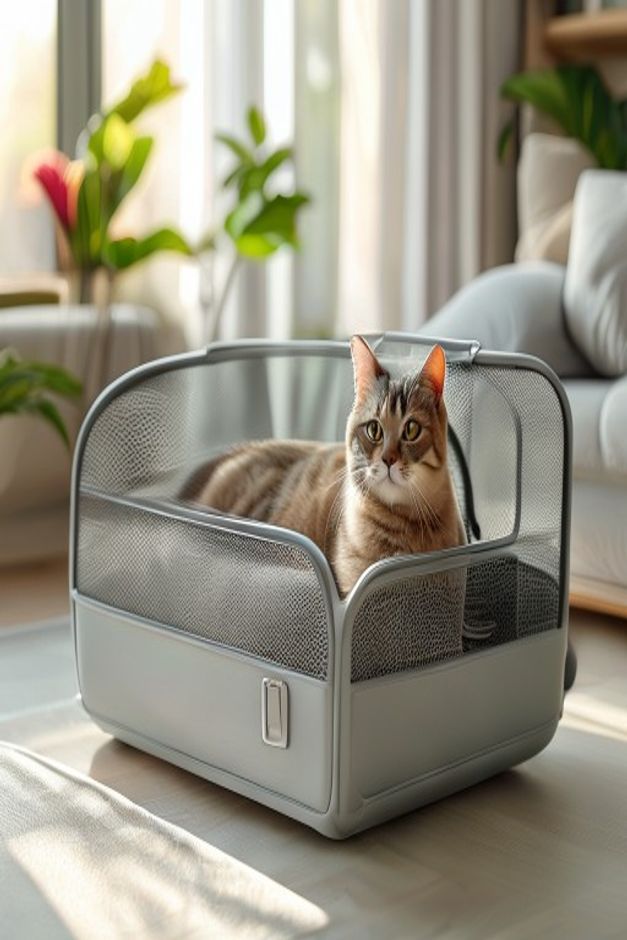
Soft-Sided Travel Carrier
Best all-around and airline friendly
- Top and front openings
- Fits under most airline seats
- Washable padded base
- Mesh panels on three sides
- Light on the shoulder
Design Pick
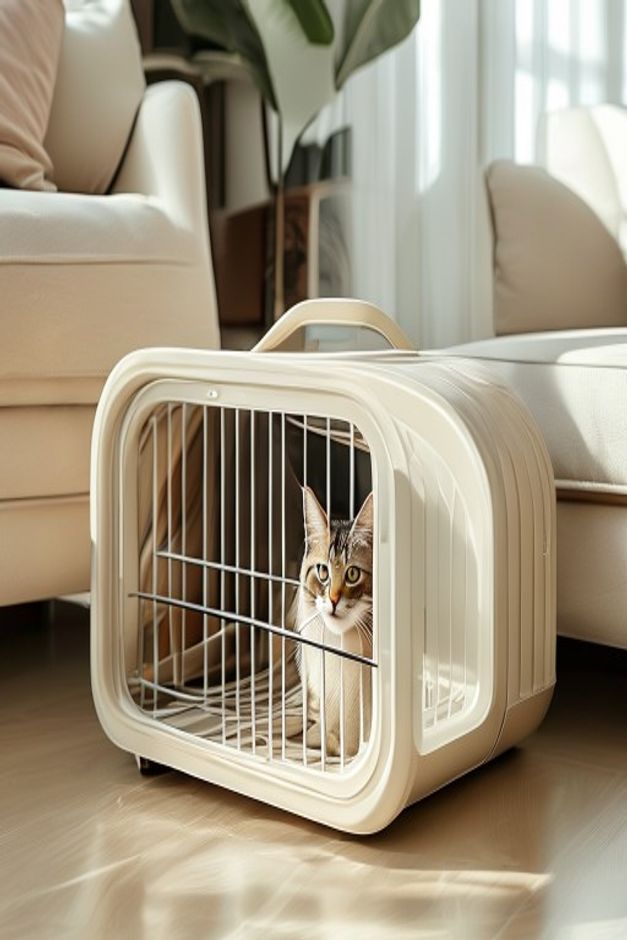
Hard-Sided Kennel Carrier
Best for car trips and easy cleaning
- Wipes clean in minutes
- Claw-proof rigid shell
- Secure latching door
- Doubles as a den at home
- Seatbelt-ready design
Premium Pick
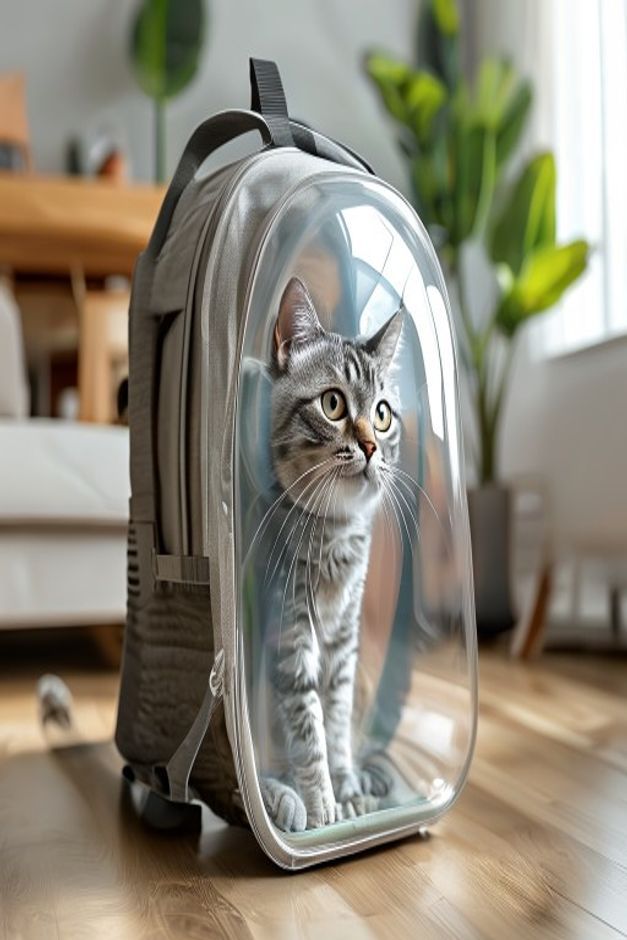
worfty Expandable Cat Backpack
Best hands-free for short trips
- Hands stay free
- Ventilated panoramic window
- Even weight on both shoulders
- Great for bikes and transit
- Fun for confident cats
Why the Right Carrier Matters More Than You Think
A carrier is a safety device first. In a car, an unrestrained cat is a projectile in any sudden stop, and a panicked loose cat under the brake pedal is genuinely dangerous. Vets also report that cats who arrive in stable, partly covered carriers show measurably less stress than cats carried loose or in open arms. For the moments a carrier cannot cover, a door left open at a rest stop or a bolt from the vet parking lot, a GPS tracker for cats is the backup that gets them home.
Comfort drives cooperation. Cats that associate the carrier with a safe den, because it lives in the living room with a familiar blanket inside, walk in voluntarily. Cats that only see it before a vet visit learn to bolt. Choosing a carrier your cat can relax in is the first step to ending the pre-vet chase.
Carrier Types: Soft-Sided vs Hard-Sided vs Backpack
Soft-sided carriers are light, shoulder-friendly, and most are airline cabin approved, which makes them the default for travel. Hard-sided carriers are the toughest and easiest to clean, the best choice for car trips, escape artists, and cats prone to accidents. Backpack carriers keep your hands free and work well for confident cats on short trips, but they run smaller and hotter, so sizing and ventilation matter more.
Fabric vs Plastic: Which Construction Holds Up?
Construction determines how the carrier survives real use: claws, urine, and years of storage. It also decides how easy the carrier is to clean, which matters more than most owners expect, because one accident in a fabric carrier with a non-removable liner can end its life.
Hard plastic shells wipe clean in minutes, resist claws completely, and many double as a den at home with the door removed. Quality fabric carriers use scratch-resistant polyester with a removable, washable pad, and the best ones hold their shape with internal frames so the roof does not sag onto your cat.
If your cat sprays, drools, or gets carsick, choose plastic. If you fly or walk long distances, choose a framed soft carrier with a machine-washable pad. Whatever you pick, check that zippers are self-locking; a determined paw can open a cheap zipper from the inside.
How to Choose Size, Openings and Ventilation
Size, door layout, and airflow are the three specs that decide whether a carrier works in practice, and they are the three most people ignore when buying online.
Look for: Enough room for your cat to stand, turn around, and lie down (roughly 1.5 times body length). A top opening plus a front door, so a nervous cat can be lowered in instead of pushed. Mesh or vents on at least three sides. Seatbelt loops or latches for car travel. A waterproof, removable base pad.
The goal is a carrier your cat can be placed into calmly in under a minute, that stays put on a car seat, and that opens from the top at the vet so the exam can start without a struggle.
Now that you know the types and the features that matter, here are the three carriers we recommend for most cat owners in 2026.
Soft-Sided Travel Carrier - Full Review
Who It is Best For
This is the right pick for most owners: vet visits, weekend trips, and especially anyone who flies. If your cat is calm to moderately nervous and you value light weight and a top-loading door, start here.
Scratch-resistant polyester over an internal frame keeps the roof from sagging, and self-locking zippers stop inside jobs. The padded base slides out and goes straight into the washing machine.
Material & Durability
With normal use a framed soft carrier lasts years. The mesh is the wear point, so avoid letting your cat treat it as a scratching surface, and store it open at home so it stays a familiar den rather than a once-a-year surprise.
Why We Like It
Top plus front openings for calm loading. Airline-cabin friendly dimensions. Washable pad handles accidents. Light enough for long walks through terminals.
If you want one carrier that covers the vet, the car, and a plane cabin, the soft-sided travel carrier is the most versatile choice and the one we reach for first.
Hard-Sided Kennel Carrier - Full Review
Who It is Best For
The hard-sided kennel is the pick for escape artists, cats who panic and scratch, cats prone to carsickness, and any household where the carrier will see rough use. It is also what most vets recommend for fractious cats because the top half unclips for exams.
Material & Durability
Rigid molded plastic with a steel-wire door shrugs off claws and bites entirely. There is nothing to fray or sag, and urine or vomit wipes off with paper towels and a rinse instead of ruining the carrier.
Why We Like It
Effectively indestructible in home use. Claw-proof and chew-proof. Fully washable in minutes. Top half removes for stress-free vet exams. Doubles as a familiar den at home with the door off.
If your trips are mostly by car, or your cat has ever fought their way out of a soft carrier, get the hard-sided kennel. It is the most secure and the easiest to live with long term.
worfty Expandable Cat Backpack - Full Review
Who It is Best For
The backpack suits confident, curious cats on short trips: bike rides, public transit, quick vet runs, or just getting a housebound cat some safe outdoor time. It is not the pick for anxious cats or journeys over an hour or two.
Material & Durability
Structured EVA or polyester shells hold their shape so the cat is never squeezed, with a clear bubble or mesh window for ventilation and views. Look for chest and waist straps, which keep the load stable and your shoulders happy.
Why We Like It
Hands-free carrying. Panoramic window most cats genuinely enjoy. Weight spread across both shoulders instead of one arm. Compact footprint for transit and travel.
As a second carrier for short adventures with a confident cat, the backpack is the most fun option here. Size up if your cat is over 12 pounds and prioritize ventilation over looks.
How We Choose the Best Cat Carriers
We do not rank carriers by brand or price alone. Our picks are based on the factors that decide whether a carrier actually works for a real cat and a real owner:
Security of doors, zippers, and latches. Ease of loading a reluctant cat. Ventilation and visibility. Cleanability after accidents. Stability in a moving car. Comfort for the human carrying it.
We prioritize carriers that cats settle into quickly and owners can clean and store easily, because the best carrier is the one that is never a fight to use.
Frequently Asked Questions
How do I get my cat into the carrier without a fight?
Leave the carrier out year-round with a familiar blanket and occasional treats inside so it becomes furniture, not a trap. On the day, use the top opening to lower your cat in rear-first, calmly and without chasing them around the house first.
What size carrier does my cat need?
Your cat should be able to stand up, turn around, and lie down comfortably; about 1.5 times their body length is the usual rule. Bigger is not better in a car, though, since a snug space feels more secure during motion.
Are backpack carriers safe for cats?
Yes, for the right cat and the right trip. Choose one with real ventilation on multiple sides, keep trips short, avoid direct sun on bubble windows, and never use a backpack for a cat who panics in enclosed spaces.
Should the carrier be covered during travel?
Usually yes. A light towel over part of the carrier reduces visual stress for most cats, especially in waiting rooms with dogs. Leave at least one mesh side uncovered for airflow and check your cat regularly.
For more on keeping your cat healthy and comfortable at home, see our guides to the best cat beds, best cat water fountains, and best cat treats.
One habit beats every product feature: keep the carrier out and open at home. A cat that naps in the carrier in July will walk into it in December, and that single change removes most of the stress from every trip you take together.
Choosing the right carrier is one of the simplest ways to make vet care easier for the rest of your cat’s life. Pick the type that matches your cat’s temperament and your travel style, introduce it early, and every trip after that gets calmer.
Keep Exploring
Related guides from vphGoods: Best Cat Harnesses · Best Cat GPS Trackers · Best Cat Calming Products
Cart (0 items)