
- Your cart is empty Browse Shop
Top Picks
Best Cat Harnesses for Safe Outdoor Walks (2026 Complete Guide)
Escape-proof designs, comfy vests and complete leash sets compared, so your cat can explore outside without slipping away.
Every cat owner has seen the videos: a cat calmly strolling a park trail on a leash, and then their own cat turning into a liquid escape artist the moment a harness comes near. Cats are not small dogs. Their shoulders fold, their spines twist, and a badly fitted harness comes off in one practiced wriggle, sometimes half a block from home.
The right harness changes the whole experience: snug enough that backing out is impossible, soft enough that your cat forgets it is wearing anything, and paired with training patience, it opens up porches, gardens and trails safely. This guide covers the three harness styles that actually work on cats in 2026, and how to fit and introduce them properly.
Our Top-Rated Cat Harnesses
Best Value
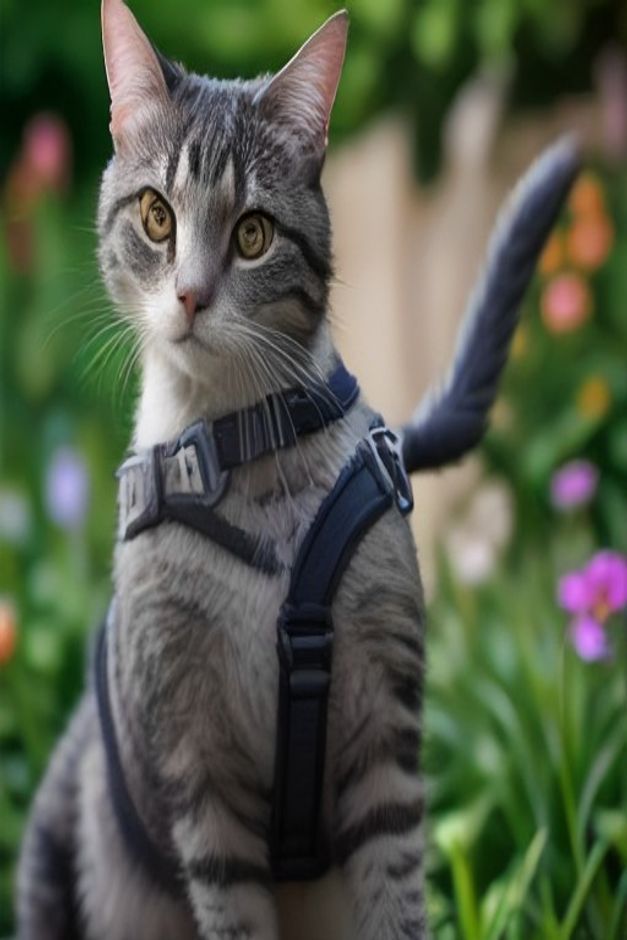
Escape-Proof Cat Harness
Best for Houdini cats
- Wriggle-out resistant design
- Double closures, snug fit
- Adjustable neck and chest
- Padded, no thin straps
- Metal D-ring leash point
Comfort Pick

Soft Mesh Vest Harness
Best for first-time wearers
- Jacket-like gentle pressure
- Breathable soft mesh panels
- Fastest style for cats to accept
- Easy on, easy off
- Great for nervous cats
Premium Pick
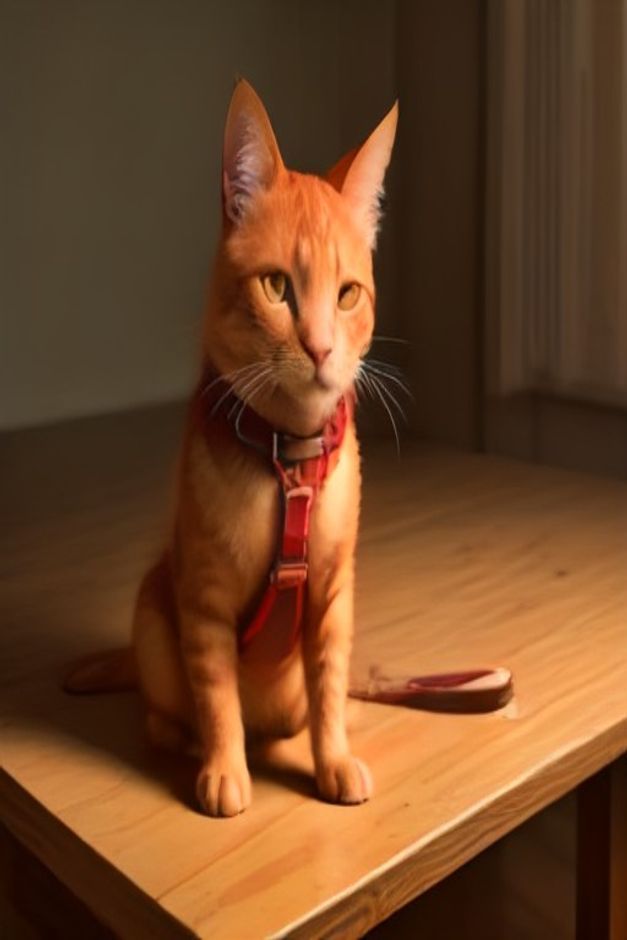
Harness and Leash Set
Best all-in-one starter kit
- Harness plus matching leash
- Lightweight H-style design
- Quick to put on and adjust
- Reflective trim options
- Lowest cost way to start
Why a Harness Beats a Collar for Outdoor Time
A leash should never attach to a cat’s collar. Cat collars are designed to break away when snagged, which is exactly what you do not want mid-walk, and even a non-breakaway collar puts all the pressure on a small, fragile throat. One startled lunge at a passing dog and a collar walk turns into a coughing fit or a loose cat.
A harness spreads pressure across the chest and shoulders where a cat can take it comfortably. It also gives indoor cats a safe taste of outside: supervised garden time, balcony safety, stress-free vet trips, and for adventurous cats, real hikes. Owners consistently report calmer, more confident cats once outdoor time becomes a routine instead of an escape attempt.
The Three Styles: Escape-Proof, Vest and H-Style Sets
Escape-proof harnesses are built around one idea: no wriggling out. They use wider back panels, double closures and snug adjustable fits at both neck and chest, and they are the pick for known Houdinis and nervous cats. Vest harnesses wrap the chest in soft mesh fabric like a little jacket, spreading pressure so gently that many cats accept them fastest, ideal for beginners. H-style harness and leash sets are the light, minimal option, quick to put on and fine for calm cats and short supervised outings, usually at the lowest price. Match the style to your cat’s personality, not to the prettiest color.
Fit Is Everything: What Separates Safe from Slippery
Almost every harness escape traces back to fit, not to the product. A cat can compress its chest and fold its shoulders in ways that surprise first-time harness buyers, so the details below matter more than brand names.
The two-finger rule is the standard: you should be able to slide two fingers flat under any strap, no more and no less. Looser than that and a determined reverse-wriggle pops the shoulders free; tighter and your cat will flop over and refuse to move. Measure the chest girth behind the front legs before buying, and check the size chart per product, because cat sizing is wildly inconsistent between makers.
Look at the closures too. Velcro is quick but loses grip with fur and age; buckles last longer and cannot be peeled open by a rolling cat. The leash attachment point should sit on the back between the shoulders, and for outdoor adventures a metal D-ring beats a plastic loop every time. Reflective trim is a cheap bonus that earns its keep at dusk.
How to Choose the Right Harness for Your Cat
Be honest about your cat first. A confident, easygoing cat can wear almost anything; a nervous first-timer does best in a soft vest; a proven escape artist needs a dedicated escape-proof design and nothing less. Then think about your plans: balcony lounging asks less of a harness than woodland hikes.
- Snug two-finger fit at both neck and chest, with real adjustability
- Wide, padded contact areas instead of thin straps that dig in
- Secure buckle closures— velcro alone is not enough for outdoors
- Back-mounted metal D-ring between the shoulders for the leash
- Breathable mesh or soft fabric your cat will tolerate in warm weather
Budget-wise this is a friendly category: even excellent escape-proof harnesses stay affordable, and complete sets with a matching leash cost less than one vet visit. If you are choosing between sizes, size down for wriggle-resistance as long as the two-finger rule still holds, and remember kittens outgrow harnesses fast.
Here are the three harnesses that earn our recommendation in 2026, one for each style and cat personality.
Escape-Proof Cat Harness - Full Review
Who It is Best For
This is the harness for the cat that has already escaped from something: the door-darter, the vet-visit wrestler, the cat that treats every enclosure as a puzzle. It is also the right default for real outdoor adventures, where an escape does not mean a loose cat in the living room but a loose cat in the woods, which is why many owners pair it with a GPS tracker.
Escape-proof designs use wider back and chest panels with dual adjustment points, so the harness hugs the body instead of hanging off it. Quality models pair sturdy buckles with reinforced stitching at the D-ring, the point that takes every lunge.
Material & Durability
The wider panels also spread pressure comfortably, which means the security does not come at the cost of comfort once the cat adjusts. Expect years of use; these are the workhorses of the category.
Why We Like It
- Reverse-wriggle resistant: the backing-out move that defeats H-styles gets nowhere
- Dual adjustment: dials in the two-finger fit at both neck and chest
- Confidence for you: walks are more relaxed when you are not watching for an escape
Our verdict: if you only buy one harness, buy this style. It handles nervous beginners and seasoned adventurers alike, and it removes the single biggest risk of walking a cat.
Soft Mesh Vest Harness - Full Review
Who It is Best For
The vest is for cats meeting a harness for the first time, and for sensitive cats that flop dramatically at the touch of thin straps. Because the pressure spreads across a soft fabric panel, many cats accept a vest in days rather than weeks, which makes it the fastest route from indoor-only to garden strolls.
Material & Durability
Look for breathable mesh with soft binding at the edges, a solid buckle backing up any velcro, and a D-ring stitched through the panel rather than glued on. Mesh vests wash easily and dry fast, though claws can pull threads over time, so keep one as the training and summer option even if you graduate to something burlier.
Why We Like It
- Fastest acceptance: the jacket-like feel triggers far less of the harness flop
- Gentle on small frames: ideal for kittens, seniors and petite cats
- Warm-weather friendly: mesh keeps airflow moving on summer walks
Our verdict: the best on-ramp to harness life. Train with the vest, and either stay with it for calm garden time or move up to an escape-proof model for bigger adventures.
Harness and Leash Set - Full Review
Who It is Best For
The complete set is for owners starting from zero who want everything in one box: a light H-style or slim vest harness plus a matching leash, sized for cats rather than borrowed from the dog aisle. It suits calm cats, supervised balcony and porch time, and anyone testing whether their cat enjoys outings before investing further.
Material & Durability
Sets keep things light: thin nylon or soft webbing, simple sliders for adjustment, and a leash in the 4 to 6 foot range that is proportioned to a cat’s weight. Check that the leash clip is small and light; a heavy dog clip bouncing on a cat’s back can spook them more than the harness itself. Reflective stitching is common and worth having.
Why We Like It
- Everything included: no hunting for a cat-sized leash separately
- Light and unobtrusive: the minimal design suits easygoing cats
- Lowest cost of entry: find out if your cat is an adventurer before spending more
Our verdict: the sensible starter kit. Pair it with patient training and close supervision, and upgrade to an escape-proof harness if your cat turns out to be an enthusiastic, or sneaky, explorer.
How We Choose the Products We Recommend
Harnesses live or die on two things: whether a cat can escape them, and whether a cat will tolerate them. We evaluate every pick against both, because a secure harness a cat refuses to wear helps nobody.
- Escape resistance, tested against the classic backing-out maneuver
- Comfort and acceptance speed reported by real cat owners
- Adjustability to hold a true two-finger fit across body types
- Hardware quality: buckles, stitching and the leash D-ring
- Ease of putting on a cat that is not feeling cooperative
We give extra weight to long-term reviews from owners who walk their cats weekly, since fit and closures reveal their weaknesses only after months of real use.
Frequently Asked Questions
How do I get my cat used to a harness?
Go slower than feels necessary. Leave the harness near the food bowl for a few days, then drape it over your cat with treats, then clip it on for minutes at a time indoors. Expect the dramatic flop or the frozen statue at first; it passes. Only add the leash indoors once your cat walks normally, and only open the door once the leash feels boring. Two weeks of patience beats one rushed, scary outing.
Can a cat really not escape an escape-proof harness?
No harness is truly 100% escape-proof against a panicking cat, which is why fit and supervision still matter. What the escape-proof style does is defeat the routine wriggle-out that slips off loose H-styles. Combine a well-fitted escape-proof harness with calm environments and you cover the realistic risks; for high-stakes settings like a busy street, keep a hand free to pick your cat up.
How tight should a cat harness be?
Use the two-finger rule at every strap: two fingers slide flat underneath, but not three. Recheck the fit every few weeks, since coat thickness and weight change with seasons, and always recheck before the first outing after a winter indoors. A harness that fit in November can be an escape kit by June.
Can I leave a harness on all day?
Take it off between outings. All-day wear mats fur, can rub skin under the front legs, and teaches some cats to work on escaping while unsupervised. The on-off ritual also becomes a cue your cat learns to love: harness on means outside time, harness off means the adventure is done.
Round out your explorer’s gear with our guides to the best cat GPS trackers to keep tabs on every adventure, the best cat carriers for trips beyond walking range, and the best cat water fountains for the thirsty homecoming.
One last habit that pays off: do a five-second harness check at the door, every single time. Straps snug, buckles clicked, D-ring stitching intact, leash clip closed. Escapes almost never come from bad products; they come from the one day the routine got skipped.
A harness is a small purchase that buys a big life upgrade: sunshine, grass under paws and a cat that greets the leash at the door instead of hiding from the carrier. Fit it right, train it slow, and enjoy the walks.
Keep Exploring
Related guides from vphGoods: Best Cat GPS Trackers · Best Cat Carriers · Best Cat Window Perches
Cart (0 items)