
- Your cart is empty Browse Shop
Top Picks
Best Cat Litter Boxes for Indoor Cats (2026 Complete Guide)
How to choose a box your cat will actually use plus the sizing and placement that prevent most accidents.
The litter box is the one piece of cat gear you cannot get wrong. Cats are clean animals with strong opinions, and a box that is too small, too covered, or too smelly is the fastest way to end up with accidents around the house.
The good news: once you understand what cats actually want, choosing the right box is simple. This guide covers our top picks for 2026, plus the sizing and placement details that prevent most litter-box problems.
Our Top-Rated Cat Litter Boxes
Best Value
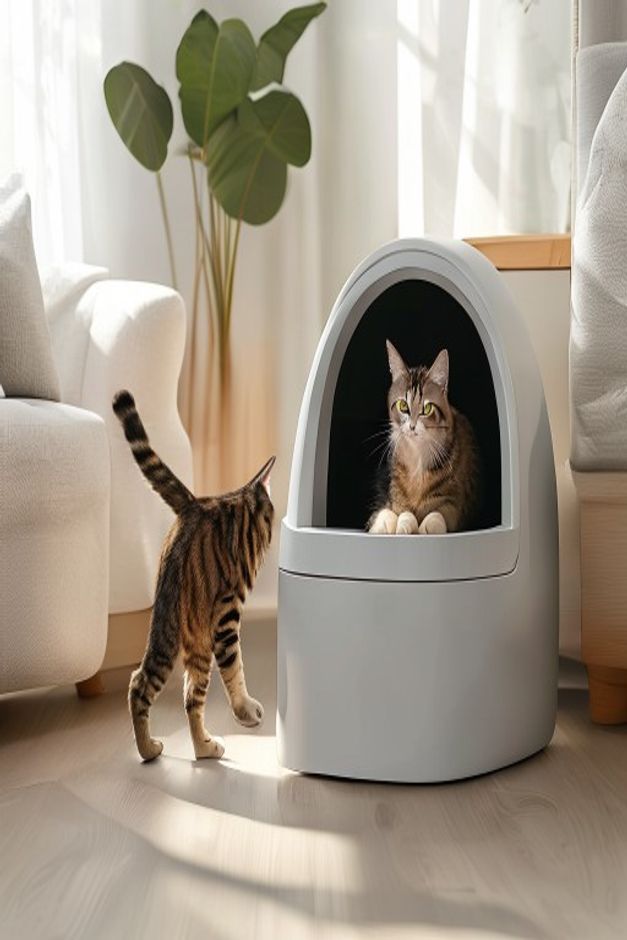
Extra-Large High-Sided Litter Box
Best for most cats and easy cleaning
Roomy for full turning
High sides stop scatter
Open top, easy to clean
Design Pick
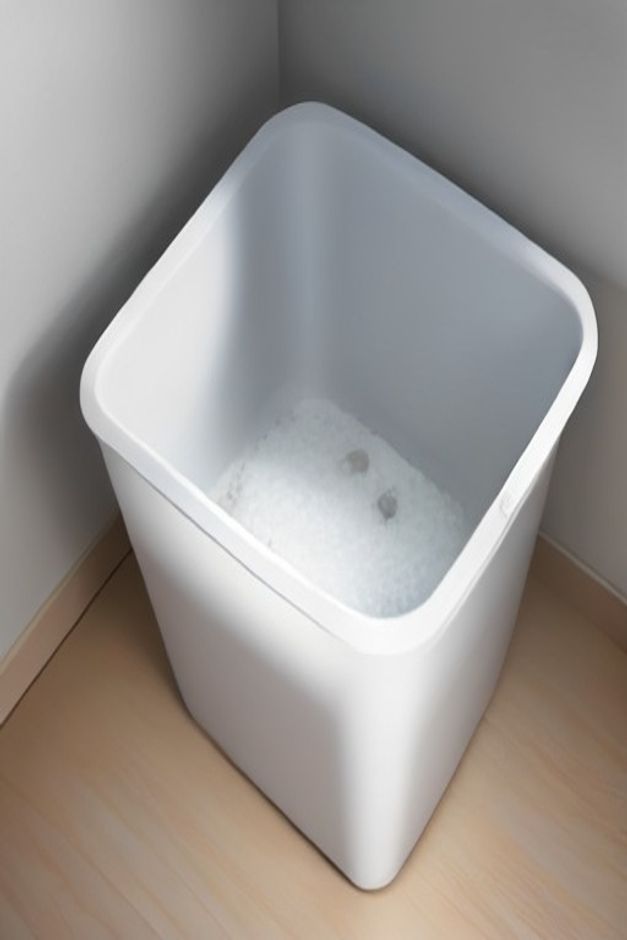
Top-Entry Litter Box
Best for small apartments and tracking
Compact footprint
Cuts litter tracking
Tidy, hidden contents
Premium Pick
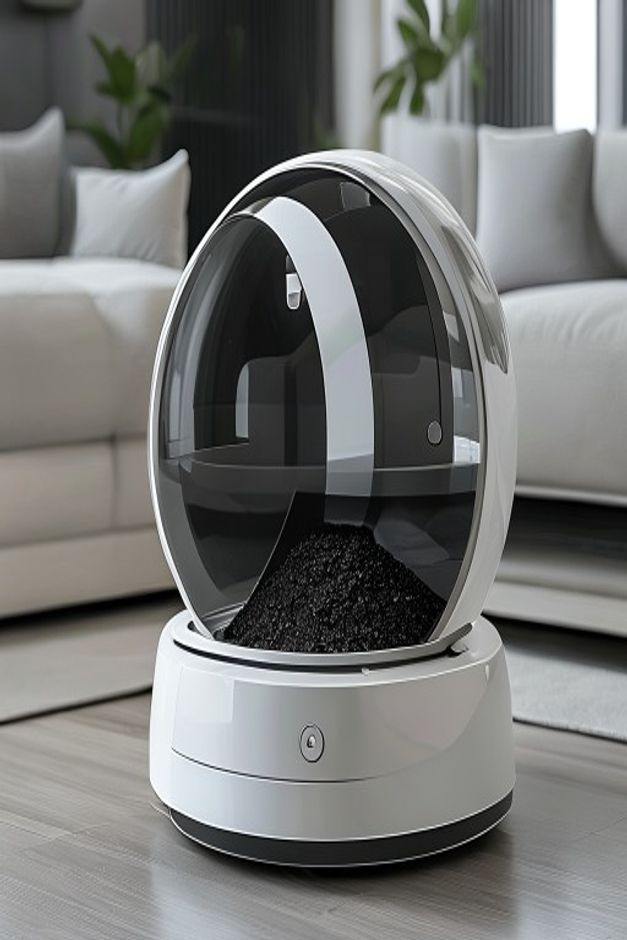
Automatic Self-Cleaning Litter Box
Best for owners who hate scooping
Auto-rakes after each use
Sealed odor control
App usage tracking
Why the Right Litter Box Prevents Accidents
Most litter-box problems are not behavioral, they are setup problems. A box that is too small, too dirty, badly placed, or shared by too many cats pushes a cat to go elsewhere. Cats are fastidious, and they will reject a box that does not meet their standards.
Get the box right and the vast majority of accidents simply never happen. That is why the correct size, type, and placement matter far more than any high-tech feature.
Box Types (Open vs Covered vs Top-Entry vs Self-Cleaning)
Open boxes are what most cats prefer: easy to enter, well ventilated, and impossible to feel trapped in. Covered boxes hide the contents but can trap odor and make shy cats uneasy. Top-entry boxes save space and cut tracking but are hard for kittens and seniors. Self-cleaning boxes automate scooping at a higher price. Match the type to your cat and your space, not just your decor.
Size, Depth and Litter: What Actually Matters
The single biggest mistake is buying a box that is too small. A box should be at least one and a half times the length of your cat so they can turn around and dig comfortably. Litter choice matters too.
- Clumping clay litter is the easiest to scoop and the most widely accepted by cats.
- Natural litters (tofu, corn, wood) control odor well and are lighter, though some cats need time to adjust.
- Litter depth of about 5 to 7 cm lets cats dig and cover without overflowing the box.
When in doubt, go bigger than you think and use an unscented clumping litter, most cats prefer it over heavily perfumed options.
How Many Boxes and Where to Put Them
Placement and quantity prevent more accidents than any product feature. The rule is simple and worth following exactly, especially in multi-cat homes.
Follow these rules:
- One box per cat, plus one extra (two cats means three boxes)
- Place boxes in quiet, low-traffic, easy-to-reach spots
- Never put a box next to the food and water bowls
- Spread boxes across different rooms, not lined up together
The goal is a box your cat never hesitates to use: big enough to move in, clean enough to feel fresh, and placed somewhere they feel safe, because a litter box only works if your cat actually wants to use it.
Now that you know the types, sizing, and placement rules, here are the three litter boxes we recommend most for 2026.
Extra-Large High-Sided Litter Box - Full Review
Who It is Best For
This is the right box for most cats: a simple oversized pan with high sides that gives room to move and walls that stop litter scatter.
The open top does not trap odor or make a shy cat feel cornered, which removes the most common reasons cats avoid a box.
Material & Durability
Durable, smooth plastic that wipes clean in seconds and resists odor absorption. The high sides contain digging while the open design keeps it airy. Boring, but it simply works.
Why We Like It
- Spacious enough for any cat to turn
- High sides control litter scatter
- Open top, no trapped odor
- Fast and easy to deep-clean
If you want one box that satisfies almost every cat with zero fuss, start here.
Top-Entry Litter Box - Full Review
Who It is Best For
Ideal for tight spaces and tidy homes, the top-entry box has a small footprint, contains scatter well, and keeps the contents out of sight.
Material & Durability
The lid doubles as a paw-cleaning surface that knocks litter off as your cat exits, cutting tracking across the floor. Sturdy plastic that is easy to wipe down.
Why We Like It
- Small footprint for apartments
- Reduces litter tracking
- Keeps contents hidden and tidy
- Easy to wipe clean
If space is tight and tracking drives you crazy, the top-entry box is a smart choice, just skip it for kittens or senior cats who struggle to climb.
Automatic Self-Cleaning Litter Box - Full Review
Who It is Best For
If scooping is the chore you most want to eliminate, a self-cleaning box automatically rakes or rotates waste into a sealed compartment after each use.
Material & Durability
Modern units are quieter and safer than older ones, with sealed waste drawers for strong odor control. App-connected versions track usage, which can flag health issues early.
Why We Like It
- Almost no daily scooping
- Sealed compartment controls odor
- Usage tracking spots health changes
- Great for busy households
If you will pay for convenience and have the space and power, a quality self-cleaning box is a genuine upgrade, just give a nervous cat time to adjust.
🐾
How We Choose the Best Cat Litter Boxes
We do not pick boxes by gadgetry. Our recommendations come down to whether a cat will reliably use the box and whether you can keep it clean without a fight.
- Size and room to turn around
- Ease of scooping and deep-cleaning
- Odor control without trapping smell
- Suitability for apartments and small spaces
- Comfort for cats of all ages
We prioritize boxes that cats actually use over clever features, because the roomiest, cleanest box always beats the fanciest one.
Frequently Asked Questions
How many litter boxes do I need?
The standard rule is one box per cat plus one extra. For a single cat, two boxes in different spots reduces accidents and gives options.
Are self-cleaning litter boxes worth it?
For busy owners who hate scooping, yes. They control odor well and save daily effort. Just budget for the higher upfront cost and give a nervous cat time to adjust.
Why is my cat going outside the box?
Most often the box is too small, too dirty, badly placed, or there are too few boxes. Rule those out first, and see a vet to exclude urinary issues, which are common and serious.
How do I control litter box odor?
Odor is almost always a cleaning issue, not a product issue. Scoop daily, fully replace litter and wash the box regularly, and use a quality clumping or odor-control litter.
A calm litter routine pairs well with the rest of your cat setup. See our guides to the best cat beds and water fountains, or browse all our cat guides.
Placement matters as much as the box itself. Keep it in a quiet, easy-to-reach spot away from food and water, and scoop daily so it always feels fresh to your cat.
You rarely need anything fancy: a large, open, high-sided box that you scoop daily satisfies most cats. If you travel or hate scooping, a quality self-cleaning box is a worthwhile upgrade. Get the size and cleaning routine right and litter-box problems mostly disappear. And if your cat has outdoor access and sometimes skips the box entirely, a cat tracking collar shows where they have been going instead.
Keep Exploring
Related guides from vphGoods: Best Self-Cleaning Litter Boxes · Best Senior Cat Products · Best Cat Calming Products
Cart (0 items)