
- Your cart is empty Browse Shop
Top Picks
Best Cat Food Bowls: Elevated, Slow-Feed and Whisker-Friendly (2026 Complete Guide)
Elevated stands, slow feeders and shallow whisker-friendly dishes compared, so mealtime stops causing vomiting, gulping and half-eaten bowls.
Most cats eat from whatever bowl came free with the first bag of food, and most owners never think about it again. Then the puzzles start: a cat that scarfs dinner in ninety seconds and throws it up on the rug, a picky eater who leaves a ring of kibble around the edge, a cat that paws food onto the floor before eating it. None of that is fussiness. It is a cat working around a bowl that fights its anatomy.
A cat’s face is wide, its whiskers are sensitive and its stomach sits low when it hunches to eat. The right bowl works with all three: wide and shallow so whiskers never touch the sides, raised so the neck stays level, or ridged so a fast eater has to slow down. Below are the three bowl styles that solve the three most common mealtime problems, and how to know which one your cat needs.
Our Top-Rated Cat Food Bowls
Best Value
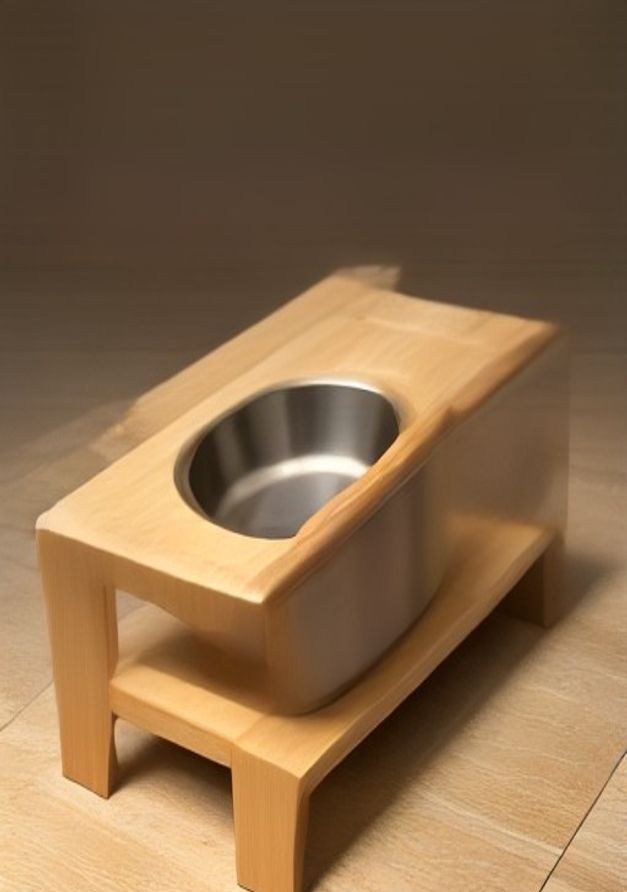
Pawkizz Elevated Bowl Stand
Best for vomiting and senior cats
- Tilted bowls ease the neck
- Raised 3 to 4 inches off the floor
- Removable ceramic bowls
- Non-slip feet stay put
- Fits food and water side by side
Smart Pick
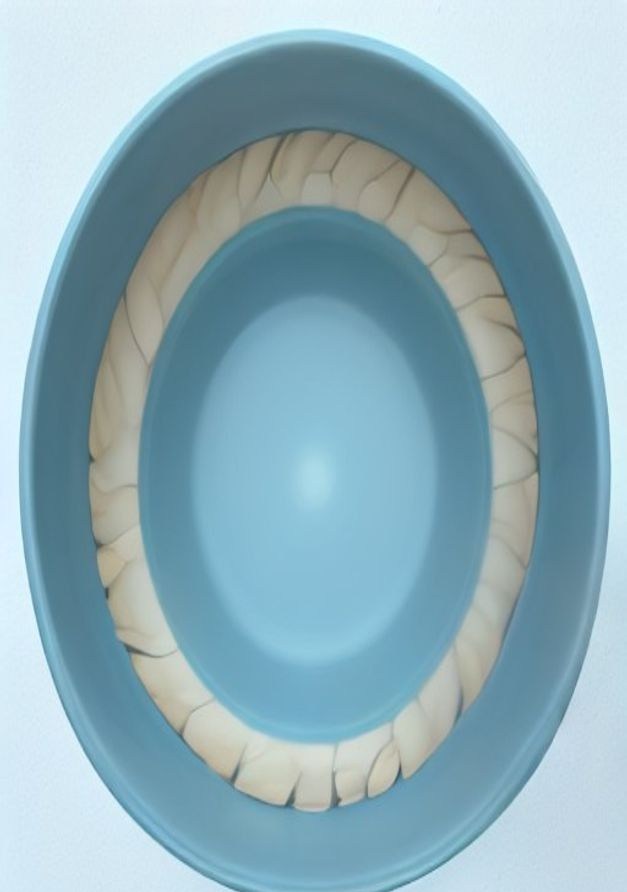
Slow Feeder Puzzle Bowl
Best for fast eaters
- Ridges stretch meals to 10 minutes
- Stops gulp-and-vomit cycles
- Works with wet or dry food
- BPA-free, dishwasher safe
- Non-slip base
Premium Pick
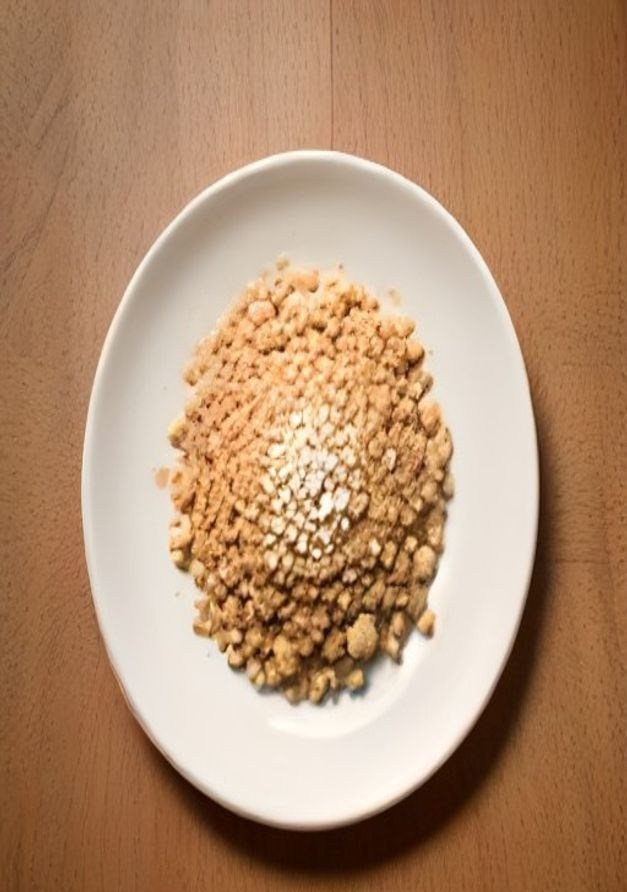
Whisker-Friendly Shallow Dish
Best for picky and messy eaters
- Wide, shallow, whiskers never touch
- Every last bite reachable
- Stainless steel, no chin acne
- Non-slip ring on the base
- Dishwasher safe
Why the Bowl Matters More Than You Think
Cat whiskers are packed with nerve endings that read air currents and tight spaces. Pressing them against the sides of a deep, narrow bowl at every meal is unpleasant enough that many cats eat only the middle, scoop food onto the floor, or walk away hungry. Vets call it whisker stress, and the fix is a bowl shape, not a new food. Depth matters too: hunching over a floor-level bowl compresses the stomach, which is why some cats vomit shortly after eating even when they are perfectly healthy.
Speed is the third problem. Indoor cats that eat alone from a wide open bowl often inhale their meal and regurgitate it minutes later, or pack on weight because nothing pauses them. Slowing the meal with ridges or a puzzle turns a ninety-second gulp into a ten-minute, more natural feeding session with better digestion.
The Three Bowl Styles: Elevated, Slow-Feed and Whisker-Friendly
Elevated bowls sit on a stand, usually 3 to 4 inches high and often tilted 15 degrees, so a cat eats with its neck level and its stomach uncompressed. They are the answer for cats that vomit after meals, seniors with stiff joints, and flat-faced breeds that struggle to reach the bottom of a floor bowl. Slow feeders add ridges, mazes or raised bumps that force a cat to pick around obstacles, stretching each meal and calming the gulp-and-vomit cycle. Whisker-friendly dishes are simply wide and shallow, more plate than bowl, so the whiskers never touch anything and every last bite is reachable. Many households end up combining two of the three, for example a shallow dish sitting on a raised stand.
Stainless, Ceramic or Plastic: Material Makes a Difference
Bowl material affects hygiene, chin acne and how long the bowl stays in service, so it is worth more than a glance.
Stainless steel is the vet favorite: non-porous, dishwasher safe, unbreakable and immune to the micro-scratches that harbor bacteria. Ceramic is heavy and stable, which stops food-pushers from sliding the bowl across the kitchen, and it keeps wet food cooler; just check the glaze is lead-free and retire any bowl that chips. Both are far better than plastic for cats prone to feline chin acne, a common reaction to bacteria living in scratched plastic.
Plastic still has a place: it is light, cheap and the easiest material for molding slow-feeder mazes, and modern BPA-free versions are fine if you wash them daily and replace them when they scratch. For water, avoid plastic altogether if your cat drinks little; a ceramic or steel water dish, or better yet a cat water fountain, encourages far more drinking.
How to Choose the Right Bowl for Your Cat
Match the bowl to the symptom. Vomiting shortly after meals, a senior with arthritis, or a Persian-type flat face points to an elevated, tilted bowl. Eating too fast, begging minutes after a meal, or gaining weight calls for a slow feeder. Food left around the edges, kibble pawed onto the floor, or a cat that eats from the center only means whisker fatigue and needs a wide shallow dish. A cat with none of these problems still benefits from shallow and raised, so if in doubt, start there.
- Wide and shallow shape, at least 5 inches across and under 2 inches deep, so whiskers stay clear
- Stainless steel or lead-free ceramic for hygiene and easy dishwasher cleaning
- Non-slip base or heavy weight so the bowl does not travel across the floor
- Raised height of 3 to 4 inches with a slight tilt for seniors and vomit-prone cats
- Removable bowls on any stand, so the part that touches food goes in the dishwasher
Size the bowl to the meal, not the cat. A quarter-cup of kibble in a giant bowl spreads thin and goes stale; a shallow dish about 5 to 6 inches wide holds a normal cat portion perfectly. Buy at least two food dishes so one is always clean, and keep water in a separate bowl a few feet away, since cats instinctively avoid water that sits right next to food.
Here are the three bowls that solve the three most common mealtime problems, tested against real cats with real bad habits.
Pawkizz Elevated Bowl Stand - Full Review
Who It is Best For
The elevated stand is for the cat that eats and then vomits, for the senior who hesitates before bending to a floor bowl, and for flat-faced breeds that push food around trying to reach it. Raising the bowl a few inches and tilting it toward the cat lets the neck stay level and the stomach stay uncompressed, and the difference for a vomit-prone cat can show up within the first week. It also keeps bowls off the floor where they collect fur and dust.
Look for a bamboo or solid plastic stand with rubber feet and two removable stainless steel bowls, ideally shallow ones. The stand itself wipes clean; the bowls go straight into the dishwasher.
Material & Durability
A well-made stand lasts for years, and because the bowls are standard sizes they can be replaced or upgraded to ceramic later without buying a new stand. Height-adjustable models grow with a kitten and adapt to a cat that stiffens with age.
Why We Like It
- Fewer post-meal vomits: the tilt and height let food settle instead of coming back up
- Senior-friendly: no bending, no stiff-neck hesitation at the bowl
- Cleaner floor: spills land on the stand, not on the kitchen tile
Our verdict: the single most useful upgrade for a cat that vomits after eating or is getting older. Cheap, tidy and often the fix vets suggest before anything else.
Slow Feeder Puzzle Bowl - Full Review
Who It is Best For
The slow feeder is for the gulper: the cat that empties the bowl in under two minutes, regurgitates undigested kibble, or begs again ten minutes later as if dinner never happened. Ridges and bumps force it to pick food out piece by piece, and that simple obstacle stretches the meal, engages the brain, and gives the stomach time to signal that it is full. In multi-cat homes it also slows the bully who finishes first and raids the other bowl.
Material & Durability
Most slow feeders are molded plastic, because mazes are hard to make in steel; choose BPA-free, dishwasher-safe versions with a rubber base, and replace them once the ridges scratch. Ceramic slow feeders exist and are better for acne-prone cats. Keep the ridges shallow: dog-style deep mazes frustrate cats and make them give up.
Why We Like It
- Ends scarf-and-barf: a ten-minute meal digests instead of coming back up
- Portion control that works: slower eating means a cat feels full on less
- Built-in enrichment: working for food is what cats are wired to do
Our verdict: the fix for fast eaters and overweight cats. If your cat vomits kibble that still looks like kibble, this bowl will probably end it within a few meals.
Whisker-Friendly Shallow Dish - Full Review
Who It is Best For
The shallow dish is for the cat that leaves a ring of kibble around the bowl, scoops food onto the floor to eat it, or seems picky about food it liked yesterday. Those are classic signs of whisker stress, and a wide, flat dish removes the problem completely: nothing touches the whiskers, every piece is within reach, and the cat eats calmly to the last bite. It is also the right shape for wet food, which cats otherwise smear around a deep bowl.
Material & Durability
Stainless steel with a non-slip rubber ring is the best everyday choice: light, unbreakable, dishwasher safe and hygienic enough to clear up chin acne. Ceramic versions are heavier and prettier; either way the dish should be at least 5 inches across and no more than about 1.5 inches deep, with a gently raised lip that keeps kibble from escaping.
Why We Like It
- No whisker contact: wide and shallow means the cat eats relaxed, not hunched and flinching
- No wasted food: the edges get eaten, not left behind
- Cleanest material: steel does not scratch, stain or grow the bacteria that cause chin acne
Our verdict: the bowl every cat should have. Pair it with an elevated stand if your cat is older or vomit-prone, and mealtime problems mostly disappear.
How We Choose the Products We Recommend
A bowl earns a place here only if it solves a real mealtime problem: vomiting, gulping, whisker stress or hygiene. Looks come last; shape, height and material come first.
- Shape and depth measured against the width of an average cat’s whiskers
- Height and tilt that vets actually recommend for reflux-prone and senior cats
- Materials that survive the dishwasher and do not cause chin acne
- Stability on tile and wood floors with an enthusiastic eater
- Owner reviews from multi-cat homes and from cats with vomiting histories
We also lean on feline vets and behaviorists who see mealtime problems daily, because they know which bowl shapes end the vomiting calls and which just look nice on Instagram.
Frequently Asked Questions
Why does my cat vomit right after eating?
If the vomit looks like whole or barely chewed kibble and arrives within minutes, the cause is almost always eating too fast or hunching over a floor bowl, not illness. A slow feeder fixes the speed; an elevated tilted bowl fixes the posture. If vomiting continues after both changes, or your cat loses weight or seems unwell, see your vet.
Do cats really get whisker fatigue?
Yes, though the term is loose. Whiskers are sensory organs with dense nerve endings, and repeated pressure against bowl walls is unpleasant for many cats. Signs include eating only from the center, pawing food out, hesitating at a full bowl, or acting hungry but leaving food. A wide shallow dish usually resolves it within a day or two.
Should food and water bowls be together?
Better apart. Cats instinctively distrust water that sits next to food, a leftover from the wild where a kill can contaminate a water source. Keep water a few feet from food, ideally in a second room as well, and consider a fountain, which most cats drink from far more willingly than a still bowl.
How often should I wash the bowl?
Food bowls should be washed daily with hot soapy water or in the dishwasher, and wet-food dishes after every meal; a film of saliva and food builds up quickly and is the most common cause of feline chin acne. Water bowls need a daily rinse and a full wash every couple of days. Owning two sets of dishes makes this painless.
Round out the feeding station with our guides to the best cat water fountains for a cat that drinks too little, the best automatic cat feeders for portion control on a schedule, and the best cat treats for rewarding good mealtime manners.
Change one thing at a time. Swap the bowl first, give it a week, then decide whether the food or the feeding schedule also needs work. Most mealtime problems are bowl problems in disguise.
A good bowl costs less than a bag of food and quietly fixes vomiting, gulping and picky eating that owners often blame on the cat. Get the shape right, keep it clean, and mealtime becomes the calm, tidy routine it should be.
Keep Exploring
Related guides from vphGoods: Best Cat Water Fountains · Best Automatic Cat Feeders · Best Cat Treats
Cart (0 items)