
- Your cart is empty Browse Shop
Top Picks
Best Cat Cameras and Pet Monitors for Checking In From Anywhere (2026 Complete Guide)
Simple Wi-Fi cams, treat-tossing cameras and 360-degree pan-tilt monitors compared, so you can see, hear and reassure your cat from anywhere.
Every cat owner has left for work wondering the same things. Is she eating? Did he throw up on the couch again? Are the two of them fighting, or finally sharing the window perch? For a cat that is anxious, sick, elderly, or simply new to the house, not knowing is stressful, and a text from the cat sitter twice a day does not answer any of it.
A pet camera answers all of it in a glance from your phone. The basic ones stream video and let you talk through a speaker; the clever ones toss a treat or wave a laser; the best ones swivel a full circle so a cat can never hide off-screen. Prices have dropped to the point where a good cat camera costs less than one emergency vet visit, and for a nervous or unwell cat the peace of mind is worth every penny. Here are the three kinds worth buying in 2026.
Our Top-Rated Cat Cameras
Best Value
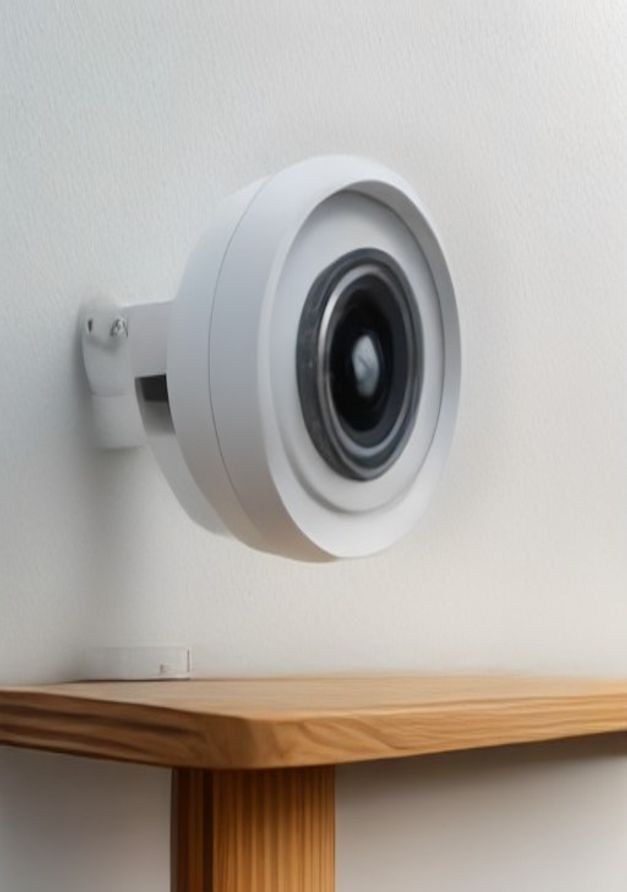
Compact Wi-Fi Pet Camera
Best for a first camera
- 1080p HD with wide lens
- Night vision for dusk and dawn
- Two-way audio to talk to your cat
- Sound and motion alerts
- Free live view, no fee needed
Smart Pick
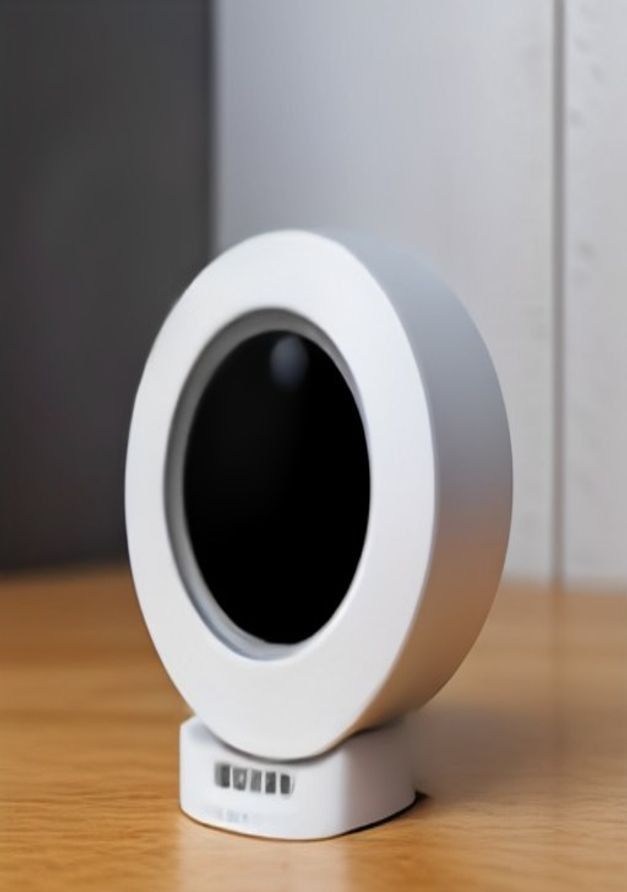
Treat-Tossing Pet Camera
Best for interaction and training
- Tosses treats from the app
- Lures hiders into view
- 1080p, night vision, 2-way audio
- Rewards recall from anywhere
- Works with dry treats and kibble
Premium Pick
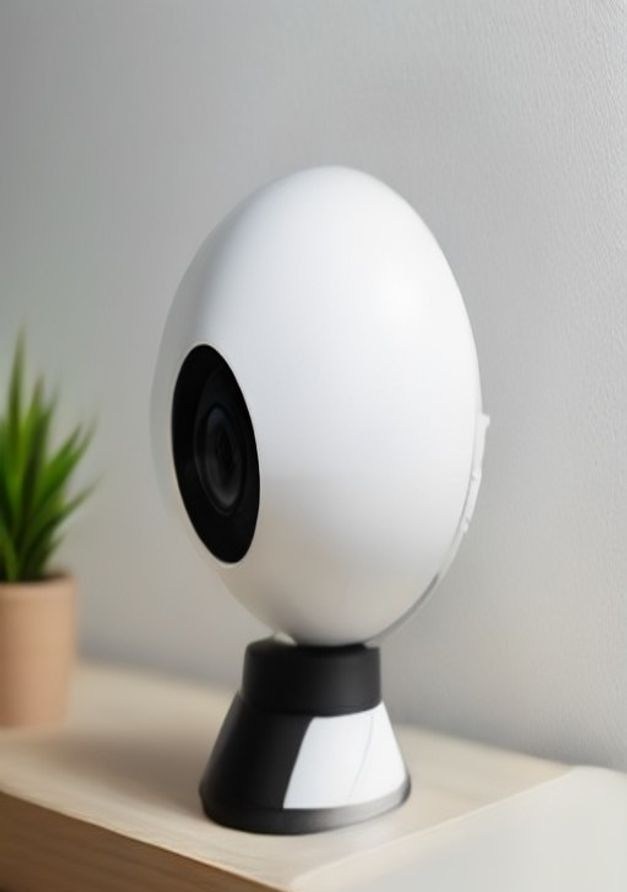
360-Degree Cat Camera
Best for multi-cat and big rooms
- Rotates a full circle from the app
- Cats cannot hide off-screen
- Meowing alerts to your phone
- Treat toss and 2-way audio
- Sharp night vision
Why a Cat Camera Is More Than a Gadget
Cats hide illness, and the signs that matter most, a skipped meal, a strained litter box visit, lethargy at a time of day the cat is usually active, happen while you are out. A camera pointed at the food station or litter box turns those invisible hours into information your vet can use. It is also how owners catch the things that explain a mystery: the cat that howls at 3 p.m. because a delivery truck passes, or the one that only vomits after eating the other cat’s food.
Then there is the simple comfort side. A separation-anxious cat that hears your voice through the speaker often settles, a kitten alone for the first time can be checked every hour without a drive home, and a sitter-fed cat on vacation can be watched actually eating. Owners of senior cats say the camera is what lets them leave the house at all.
The Three Types: Basic Wi-Fi, Treat Tossers and 360 Pan-Tilt
Basic Wi-Fi pet cameras are small fixed cameras with a wide lens, night vision, two-way audio and motion alerts; point one at the feeding station or favorite nap spot and you have 90 percent of what most owners want for the least money. Treat-tossing cameras add a hopper that flings a kibble or treat on command, which turns a check-in into a game and is genuinely useful for rewarding a cat that comes when called or for luring a hider into view; some add a laser pointer for remote play. Pan-tilt or 360-degree cameras rotate to follow the cat around the room, so a cat cannot slip off-screen, and they are the pick for multi-cat homes and open-plan spaces where a fixed lens misses too much. All three work through a phone app, most now support both 2.4 GHz and 5 GHz Wi-Fi, and the good ones do not charge a monthly fee for live viewing.
Video Quality, Night Vision, Audio and Subscriptions
Four specs separate a camera you use daily from one that ends up in a drawer.
Video: 1080p is the floor, 2K is nice, and the lens angle matters more than resolution; 110 to 160 degrees covers a room, while a narrow lens sees a slice of it. Night vision: cats are most active at dawn and dusk, so infrared that reaches 20 to 30 feet in the dark is not optional. Audio: two-way audio should be clear enough that your cat recognizes your voice, and sound alerts that trigger on meowing are a real feature for anxious cats, not a gimmick.
Subscriptions are the trap. Many cameras stream live for free but charge monthly for recorded clips, cloud history or smart alerts. Decide what you need: if live view plus a phone notification is enough, buy a camera with free basics and skip the plan. If you want to scroll back through the day to see when the vomiting happened, budget for the subscription or choose a camera with local SD card storage.
How to Choose the Right Camera for Your Home
Start with the room. One cat and one favorite spot, the food bowl or the sunny chair, is a fixed camera job. A big open living room or two or three cats is a 360 job, because the action is never where a fixed lens points. A cat that hides under the bed the moment you leave, or one you want to reward for coming when called, is a treat-tosser job. Check your Wi-Fi band too: older budget cameras are 2.4 GHz only, which is fine but worth knowing before setup.
- 1080p or better with a 110 to 160 degree lens
- Infrared night vision to at least 20 feet
- Two-way audio clear enough for your voice, plus meow or motion alerts
- No monthly fee for live view; subscription only if you want history
- Stable mount or weighted base that a curious cat cannot knock over
Mount it at cat height or slightly above, out of paw reach, with the feeding area or litter box in frame; a camera on a high shelf pointed at the floor shows you a lot of carpet and very little cat. Treat tossers go on the floor or a low table with clear space in front, since treats fly a few feet.
Here are the three cat cameras that earn our recommendation in 2026, one for each type and budget.
Compact Wi-Fi Pet Camera - Full Review
Who It is Best For
The compact camera is for the owner who wants to know the cat is fine and nothing more: one cat, one main room, a glance at lunch and a word through the speaker. It is also the right choice for a second camera aimed at the litter box or food bowl, where you want data rather than entertainment. Setup takes five minutes, the app is simple, and live viewing costs nothing after the purchase.
Look for a small, weighted body with a wide lens, a magnetic or screw mount so it can sit on a shelf or attach to a wall, and a USB power cable long enough to reach the outlet you actually have. Good models offer sound-triggered alerts, so a yowling cat pings your phone.
Material & Durability
These cameras run for years; the only wear point is the cable. Because they mount high or magnetically, a curious cat rarely knocks them down. Firmware updates through the app keep them working as phones change.
Why We Like It
- Cheapest way to stop worrying: everything most owners need at the lowest price
- No subscription needed: live view, audio and alerts are free
- Set and forget: tiny, stable and easy to point at what matters
Our verdict: the sensible first camera and the perfect second one. If you have never had a pet cam, start here and decide later whether you want the toys.
Treat-Tossing Pet Camera - Full Review
Who It is Best For
The treat tosser is for the cat that vanishes under the bed the moment you leave, for the owner who wants to actually interact rather than just watch, and for anyone training a cat to come when called. A treat flung across the room brings the hider out, rewards the recall, and gives a bored indoor cat a small event in a long empty day. Owners of anxious cats report that the sound of the hopper followed by a treat becomes a calming ritual during absences.
Material & Durability
Choose a camera with a hopper that takes standard small dry treats or kibble, a toss mechanism that clears a few feet, and a lens with the same 1080p, night vision and two-way audio as a basic camera. A removable, washable hopper matters because crumbs build up. Some models add a laser pointer; use it briefly and always end on a treat so the cat does not get frustrated.
Why We Like It
- Brings hiders out: the surest way to lay eyes on a nervous cat from afar
- Remote training: reward good behavior in real time, not hours later
- Enrichment on demand: a mid-afternoon game for an indoor cat home alone
Our verdict: the camera that turns checking in into a two-way relationship. A little pricier than a basic cam, and worth it for anxious, bored or training-age cats.
360-Degree Cat Camera - Full Review
Who It is Best For
The 360 camera is for households where a fixed lens keeps showing an empty room: two or three cats, an open-plan living space, or a single cat with six favorite spots. Swipe in the app and the camera swivels to follow, so you can check the food bowl, the window perch and the sofa without a second device. Cat-specific models add meow detection that pings your phone when a cat vocalizes, which is exactly the alert you want for a cat that is unwell or distressed.
Material & Durability
The motorized base is the part to judge: it should rotate smoothly, quietly enough not to spook the cat, and sit on a wide weighted footprint. Pair it with 1080p or 2K video, night vision to 30 feet, two-way audio and, on the best models, a treat tosser as well. Check the subscription terms carefully; some brands include live view free and charge only for clip history.
Why We Like It
- Sees the whole room: no more empty-frame anxiety when the cat moves
- Multi-cat proof: follow each cat without buying a camera per room
- Meow alerts: the notification that matters for a sick or stressed cat
Our verdict: the camera to buy once instead of twice. Costs the most, but for multi-cat homes and big rooms it is the only type that reliably shows you the cat.
How We Choose the Products We Recommend
A pet camera is only useful if you open the app every day and it shows you the cat. We weigh video and night quality, app reliability, alert usefulness and what actually costs money after purchase.
- Video clarity and lens width in a real living room, day and night
- App stability, connection speed and how often the stream drops
- Alerts that help, like meow and motion detection, versus noise
- Honest subscription terms: what is free forever and what is not
- Owner reviews from multi-cat homes and from cats with anxiety or illness
We also favor brands that have kept their apps updated for years, because a camera whose app dies is a paperweight, and pet-tech startups disappear often.
Frequently Asked Questions
Do cat cameras need a monthly subscription?
Not for the basics. Every camera in this guide streams live video, two-way audio and alerts for free. Subscriptions typically add cloud recording history, smarter AI alerts or longer clips. If you want to scroll back through the day, either pay the plan or pick a model with a microSD slot for local recording.
Where should I put the camera?
Where the cat actually spends the day: the food and water station, the litter box area, or the favorite nap spot. Mount at about cat height, out of paw reach, with the lens facing away from bright windows so the picture is not a silhouette. Treat tossers go on the floor or a low table with clear space in front.
Will the camera scare my cat?
Rarely, and briefly. Most cats ignore a silent camera within a day. The motor on a pan-tilt model and the hopper on a treat tosser can startle a cat at first, so run them a few times while you are home, followed by a treat, and the sound becomes a good sign. Keep two-way audio short and calm; some cats search for you when they hear your voice.
Can I use a regular security camera instead?
Yes, a basic indoor security camera does the watching part fine, and many are cheaper. What pet cameras add is a cat-height design, treat tossing, meow detection, and apps built for sharing with sitters. If all you need is a live view of the food bowl, a security cam works; if you want interaction or cat-specific alerts, buy the pet version.
Complete the smart-cat setup with our guides to the best automatic cat feeders to pair with your camera for scheduled meals, the best cat GPS trackers for cats that go outside, and the best cat calming products for the anxious cat you are watching.
Use the camera for reassurance, not surveillance. A quick glance at lunch and a calm word through the speaker does more for an anxious cat than a running commentary; cats need to learn that alone time is safe, not that you are always watching.
A cat camera is the cheapest peace of mind in pet ownership. It answers the question every owner asks on the way out the door, catches the health signs cats hide, and turns an empty afternoon into a treat and a hello from the person they miss.
Keep Exploring
Related guides from vphGoods: Best Cat GPS Trackers · Best Automatic Cat Feeders · Best Cat Calming Products
Cart (0 items)