
- Your cart is empty Browse Shop
Top Picks
Best Cat Nail Clippers and Grinders (2026 Complete Guide)
Scissor clippers, electric grinders and guarded trimmers compared, so nail day stops being a wrestling match.
Few phrases clear a room like “time to trim the cat’s nails.” One person holds, one person clips, everyone sweats, and the cat still escapes with three paws untouched. Meanwhile the overgrown claws keep snagging blankets, clicking on floors, and leaving marks on your arms and your sofa.
The real problem is usually the tool, not the cat. Dull or clumsy clippers crush instead of cut, cats feel it, and the negative association snowballs. A sharp, well-designed trimmer makes each cut fast and painless, and with a calm routine most cats learn to tolerate, even ignore, a trim. Here are the three tools that actually work in 2026.
Our Top-Rated Cat Nail Clippers and Grinders
Best Value
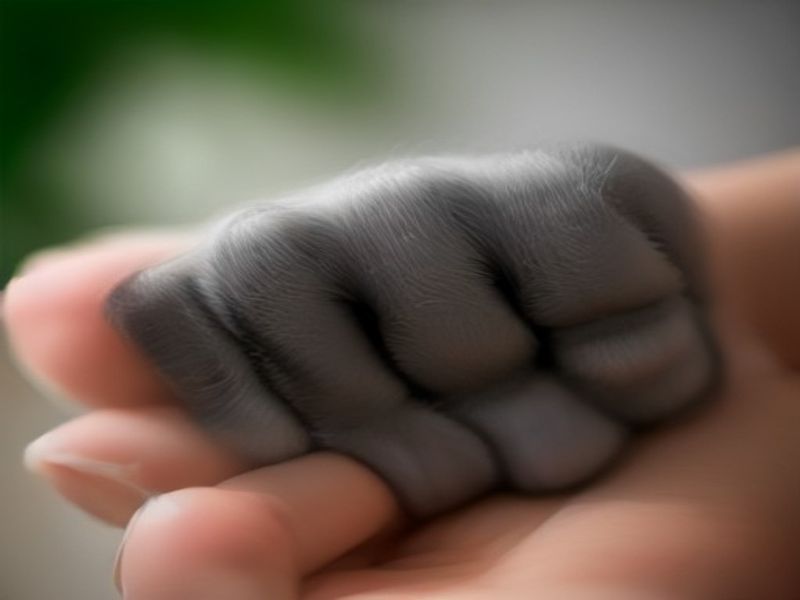
Scissor-Style Nail Clippers
Best all-around choice
- One-squeeze clean cuts
- Vet-preferred design
- Silent, no motor to fear
- Cat-sized curved blades
- Fast 5-minute sessions
Smart Pick
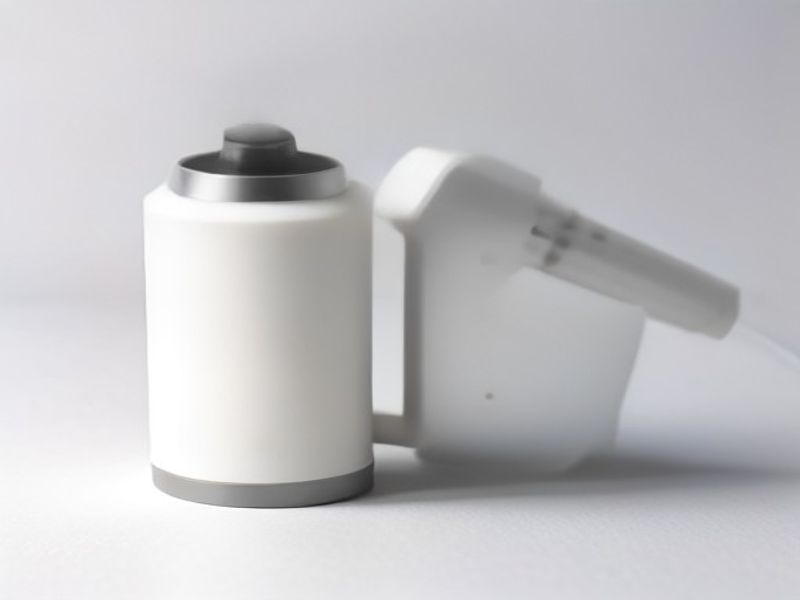
Electric Nail Grinder
Best for thick or dark nails
- No risk of sharp cracks
- Gentle gradual sanding
- Quiet low-vibration motor
- Smooths edges perfectly
- Great for senior claws
Premium Pick
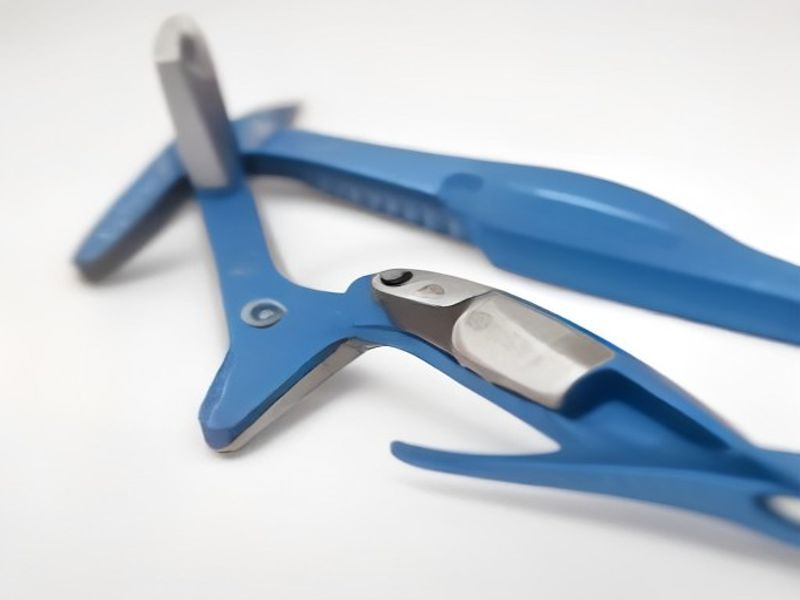
Guarded Nail Trimmer
Best for nervous beginners
- Safety stop prevents overcuts
- Confidence from trim one
- LED options light the quick
- Simple and forgiving
- Ideal first nail tool
Why Nail Trims Matter More Than You Think
Overgrown claws are not just a furniture problem. Long nails snag in carpet and blankets and can tear, curve into paw pads causing painful infections, and change how a cat walks, which loads joints unevenly. Senior cats are especially at risk because they scratch less and shed nail sheaths poorly, so thick overgrown claws are one of the most common findings in older cats.
A trim every 2 to 4 weeks keeps claws blunt and healthy, protects your furniture and skin, and pairs perfectly with a good scratcher rather than replacing it. It also gives you a regular close look at your cat’s paws, where problems like split claws and swollen toes get caught early. Outdoor cats wear their claws down naturally but come with a different worry, one a cat tracker collar answers by showing you exactly where they roam.
The Three Tools: Scissor Clippers, Grinders and Guarded Trimmers
Scissor-style clippers are the vet favorite: two curved stainless blades that slice cleanly with minimal pressure, quick and quiet, ideal for confident hands and cooperative-enough cats. Electric grinders sand the nail down gradually instead of cutting, removing any risk of a sharp crack, great for thick senior claws and for owners nervous about cutting too far, at the cost of a little motor noise. Guarded trimmers add a safety stop or sight window that physically limits how much nail you can take, the training wheels that make first-time trimmers confident. All three get to the same place: short, blunt, healthy claws.
Sharpness, Noise and the Quick: What Separates Good from Painful
Every bad nail-trim story traces to one of three things: a dull blade, a scary noise, or cutting into the quick. Good tools are engineered around all three.
Blade quality decides everything in clippers: hardened stainless steel that slices in one squeeze, sized for cat nails rather than dog claws. Oversized dog clippers crush and split thin cat nails, which hurts and teaches your cat to flee the tool. Comfortable non-slip grips matter too, since your hand does this 18 times per session.
The quick, the pink vein inside the nail, is the line you never cross: cut only the clear, hook-shaped tip. Grinders handle this gently by removing material gradually, but check the motor noise; under 50 decibels keeps most cats relaxed. Whatever the tool, good light matters, and on dark nails a grinder or an LED-equipped trimmer is the safer choice.
How to Choose the Right Tool for You and Your Cat
Be honest about both members of the team. A steady hand and a tolerant cat make scissor clippers the fastest option. A nervous first-timer does best with a guarded trimmer. A cat that panics at pressure but tolerates sound, or a senior with thick claws, is a grinder cat. Many households keep two: clippers for speed, a grinder for smoothing.
- Cat-sized, surgical-grade stainless blades that cut in one squeeze
- Non-slip grip comfortable for many small precise cuts
- Quiet motor (under ~50 dB) if you go the grinder route
- Safety guard or sight window for beginners and dark nails
- Replaceable heads or sharpenable blades so the tool stays sharp
This is the cheapest category on the site, every option costs less than a bag of good food, so buy the tool that fits your confidence level rather than the cheapest one. A dull bargain clipper that crushes one nail can set training back months; a sharp tool pays for itself in the first calm trim.
Here are the three nail tools that earn our recommendation in 2026, one for each kind of trimmer and cat.
Scissor-Style Nail Clippers - Full Review
Who It is Best For
Scissor clippers are for owners who want trims done fast and cats who tolerate handling for at least a few minutes at a stretch. They are the tool vets and groomers reach for because nothing beats the speed: position, squeeze, done, next toe. If you have trimmed nails before, even badly, this is your tool.
The good ones use hardened stainless steel blades with a slight curve that cradles the nail, mounted in comfortable rubberized handles. Sharpness out of the box and edge retention are what you are paying for.
Material & Durability
A quality pair stays sharp for years of monthly trims; when it eventually dulls, it can be sharpened rather than tossed. Avoid guillotine-style tools for cats, threading a nervous cat’s nail through a hole is nobody’s idea of fast.
Why We Like It
- Speed wins: the whole trim finishes before the cat commits to escaping
- Clean pain-free cuts: sharp curved blades slice instead of crushing
- Silent: no motor noise to spook sound-sensitive cats
Our verdict: the default answer. Sharp, fast, silent and cheap, and paired with treats after each paw, it turns nail day into a five-minute non-event.
Electric Nail Grinder - Full Review
Who It is Best For
The grinder is for thick senior claws that crack under clippers, for dark nails where the quick is invisible, and for owners who flinch at the moment of the cut. Because it removes nail gradually, there is no single scary snip, just a slow safe shortening you can stop at any moment. It also leaves edges smooth instead of freshly-sharp.
Material & Durability
Look for a quiet motor under about 50 decibels, low vibration, two speeds, and diamond-bit grinding heads that last years. USB charging beats hunting batteries. A guard around the bit keeps fur from wrapping, worth having with long-haired cats. Introduce it off, then running near the cat, then touching one nail, treats at every step.
Why We Like It
- Impossible to overcut: material comes off gradually, so the quick stays safe
- Senior-friendly: handles the thick, layered claws older cats grow
- Smooth finish: no sharp post-trim edges snagging your sweater
Our verdict: the anxiety-free option, for both species. Slower than clippers per nail, but for the right cat, and the right human, it is the difference between doing trims and avoiding them.
Guarded Nail Trimmer - Full Review
Who It is Best For
The guarded trimmer is for first-timers, for anyone who once cut a quick and never forgot it, and for households where different people share trimming duty. The physical stop or sight window limits each cut to a safe sliver, so the worst-case scenario is simply taking less nail than you could have. Confidence, it turns out, is a feature you can buy.
Material & Durability
Quality here means the guard actually aligns with a safe cutting depth, blades as sharp as unguarded rivals, and ideally an LED that backlights pale nails to show the quick. The guard should adjust or flip away as your skill grows, so the tool does not become obsolete after your tenth successful trim.
Why We Like It
- Overcut protection: the guard makes the scariest mistake physically difficult
- Learning curve included: flip the guard away when confidence arrives
- Household-proof: every family member trims to the same safe depth
Our verdict: the best first nail tool. It converts “I am scared I will hurt her” into a done deal, and by the time the guard feels limiting, you will not need it anymore.
How We Choose the Products We Recommend
Nail tools are judged here on the only metric that matters: do they produce clean, painless cuts that keep a cat cooperative trim after trim? Sharpness, sizing and noise get weighed; gimmicks do not.
- Blade sharpness out of the box and after months of use
- Cat-specific sizing, never repurposed dog tools
- Noise and vibration levels a nervous cat will tolerate
- Safety features that work: real guards, useful LEDs
- Owner reviews focused on skittish and senior cats specifically
We also favor tools recommended by groomers who trim dozens of cats weekly, because nothing exposes a bad clipper faster than professional volume.
Frequently Asked Questions
How often should I trim my cat's nails?
Every 2 to 4 weeks for most indoor cats: faster-growing front claws may need the short end of that range, back claws often stretch longer. Seniors need the schedule kept most faithfully, since their thicker claws overgrow into pads. If you hear clicking on hard floors or feel snags during lap time, you are overdue.
What if I cut the quick?
Stay calm, press a clean cloth or styptic powder to the nail tip for a minute or two, and the bleeding stops; cornstarch works in a pinch. It hurts briefly, like a broken fingernail, but the real damage is to trust, so end the session, offer treats, and go extra conservative on future cuts. If bleeding persists past ten minutes, call your vet.
My cat will not let me trim at all. Now what?
Shrink the goal: one nail per day, right after a nap when your cat is groggy and warm, followed immediately by a favorite treat. Wrap-in-a-towel burrito holds work for some cats; others do better standing free. If it stays impossible, a groomer or vet tech will do it for a few dollars, and a grinder is often accepted where clippers never were.
Do trims replace a scratching post?
No, they are teammates. Scratching sheds the outer nail sheath, marks territory and stretches the whole body; no trim replaces that. Keep a good scratcher in the house and think of trims as maintenance between your cat’s own filing sessions. Blunt tips also make scratching far less destructive to sofas.
Complete the grooming kit with our guides to the best cat grooming brushes for shedding season, the best cat scratchers to keep claws healthy between trims, and the best products for senior cats whose thick claws need the most attention.
One golden rule makes every tool work better: never chase a whole trim. Two calm nails today beat ten stressful ones that teach your cat to vanish at the sight of the clipper drawer. Cats remember sessions, not nail counts.
With the right tool in the drawer and treats within reach, nail day shrinks from a family wrestling event to a quiet minute on the couch. Your furniture, your forearms and your cat’s paws will all thank you.
Keep Exploring
Related guides from vphGoods: Best Cat Grooming Brushes · Best Cat Calming Products · Best Senior Cat Products
Cart (0 items)