
- Your cart is empty Browse Shop
Top Picks
Best Cat Grooming Brushes for Shedding and Mats (2026 Complete Guide)
Tame the fur tumbleweeds and keep your cat mat-free, plus our top tested grooming tools for 2026.
If you share your home with a cat, you share it with their fur: on the couch, on your black sweater, and in those hairballs that always land on the one rug you like. Brushing is the fix, but the wrong brush turns grooming into a battle, and a cat that hates the brush will make sure you know it.
The right tool changes everything. A brush that feels good on your cat’s skin gets purred at instead of bitten, pulls out loose undercoat before it becomes a hairball, and cuts the fur on your furniture dramatically. This guide covers the main brush types, how to match one to your cat’s coat, and the three tools we recommend for 2026.
Our Top-Rated Cat Grooming Tools
Best Value
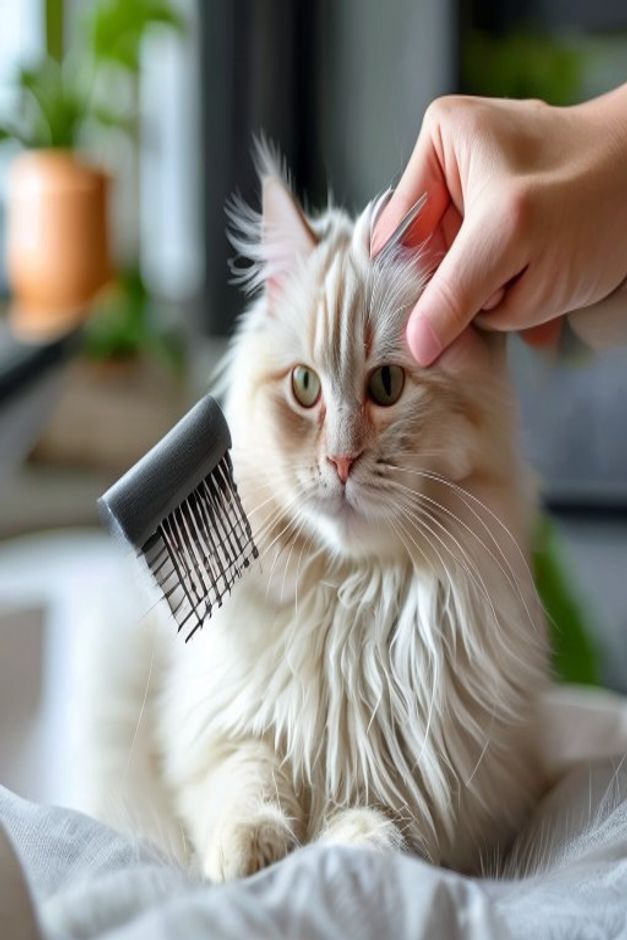
Self-Cleaning Slicker Brush
Best everyday brush for most coats
- Fine bent-wire bristles detangle
- One-button fur release
- Gentle on skin, firm on tangles
- Works on short and long coats
- Comfortable non-slip grip
Design Pick
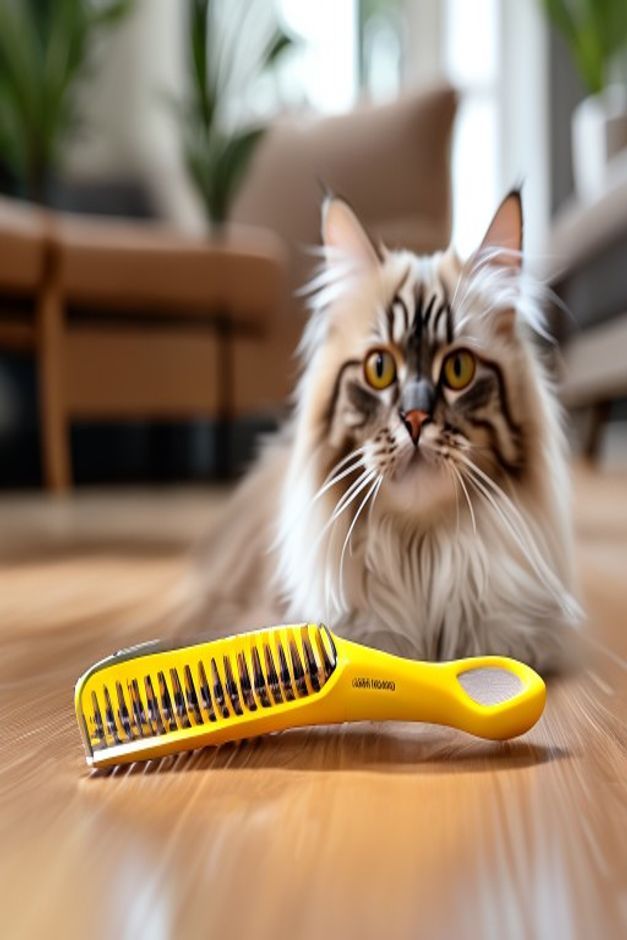
Deshedding Tool
Best for heavy shedders and molt season
- Reaches the loose undercoat
- Cuts shedding dramatically
- Stainless steel comb edge
- Fewer hairballs on the rug
- Ergonomic handle
Premium Pick
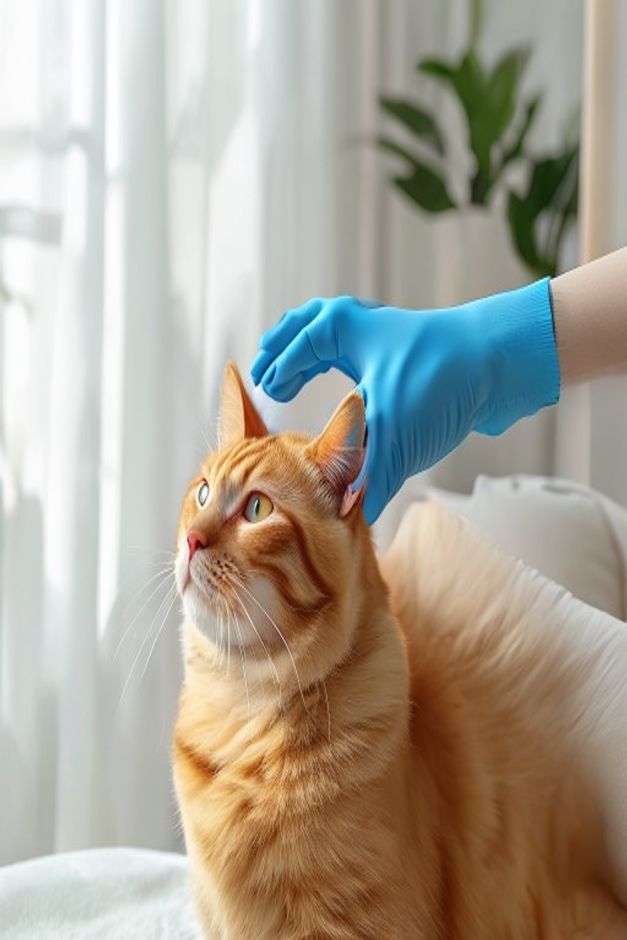
Grooming Glove
Best for brush-shy and nervous cats
- Feels like petting, not grooming
- Silicone nubs grab loose fur
- Great for faces and legs
- Machine washable
- Doubles as a bath mitt
Why Regular Brushing Matters More Than You Think
Every hair you catch on a brush is a hair your cat does not swallow. Cats spend hours a day grooming themselves, and all that ingested fur becomes hairballs or, in the worst case, digestive blockages. Regular brushing also spreads natural skin oils through the coat, keeping it glossy, and prevents the painful mats that long-haired cats develop almost overnight.
Brushing is also a health check in disguise. Five minutes with a brush is when most owners first notice a new lump, a flea, a tender spot, or weight change under all that fluff. Cats that get brushed regularly from a young age also tend to tolerate vet handling far better. That check matters even more for cats with outdoor access, the same cats worth fitting with a cat GPS collar so you always know where they have been.
Brush Types: Slicker vs Deshedding Tool vs Grooming Glove
Slicker brushes use fine, bent wire bristles that detangle and lift loose surface fur, the everyday all-rounder for most coats. Deshedding tools reach deeper, pulling out the loose undercoat that causes serious shedding, best used once or twice a week during shedding season. Grooming gloves are the gateway tool: they feel like petting, so even brush-hating cats accept them, though they collect less fur per pass than either brush.
Matching the Tool to Your Cat's Coat
Coat type decides the tool. The wrong match either does nothing or irritates the skin, and one painful session can set grooming tolerance back months.
Short-haired cats do well with a grooming glove for weekly upkeep plus a deshedding pass during spring and fall molts. Long-haired breeds like Maine Coons and Persians need a slicker brush several times a week, with a wide-tooth comb for the trouble zones behind the ears, under the arms, and around the tail.
Whatever the coat, be gentle with deshedding tools: use light pressure, follow the direction of growth, and stop before the skin gets pink. Overuse can thin a healthy coat. If you hit a solid mat, do not rip it out with any brush; work it apart with your fingers or a mat splitter, or let a groomer handle it.
How to Choose Bristles, Handle and Cleanup Features
Comfort for the cat, comfort for your hand, and easy fur cleanup are the three things that decide whether a brush gets used daily or lives in a drawer.
Look for: Fine wire bristles with rounded or coated tips that flex against the skin. A self-cleaning button that retracts bristles and releases the fur pad in one press. A non-slip handle that fits your grip. Stainless steel edges on deshedding tools, sized to your cat’s coat length. Machine-washable gloves with silicone nubs.
The goal is a tool your cat leans into, that empties into the trash in one motion, and that turns grooming into a two-minute daily habit instead of a monthly wrestling match.
With the types and features covered, here are the three grooming tools we recommend for most cat owners in 2026.
Self-Cleaning Slicker Brush - Full Review
Who It is Best For
This is the one brush that suits almost every cat: short or long coat, kitten or senior. If you buy a single grooming tool, make it a quality self-cleaning slicker and use it a few minutes most days.
Fine stainless wire bristles with a slight bend lift loose fur and light tangles without scratching, and the retract button pushes the collected fur off in one clean pad. The mechanism is the part to check: a solid spring and button should survive years of daily clicks.
Material & Durability
Rinse the bristles occasionally and let the brush dry bristles-down, and there is little to wear out. If bristle tips start to bend flat after heavy use, replace the brush; flattened tips are what make cats start refusing it.
Why We Like It
Handles daily upkeep and light detangling in one tool. Self-cleaning button makes the fur go in the trash, not on the floor. Gentle enough for kittens. Cheap enough to keep one on each floor.
The slicker is the workhorse of cat grooming. Start here, brush little and often, and both the mats and most of the couch fur simply stop happening.
Deshedding Tool - Full Review
Who It is Best For
The deshedding tool is for the heavy hitters: double-coated and long-haired cats, spring and fall molts, and any home where lint rollers are a subscription item. It removes the loose undercoat a slicker cannot reach.
Material & Durability
A good tool is a single piece of stainless steel with precisely spaced teeth in a sturdy handle; there is essentially nothing to break. Choose the tooth length that matches your cat’s coat, short or long, so it reaches undercoat without scraping skin.
Why We Like It
Removes astonishing amounts of loose undercoat in one session. Visibly less fur on furniture within a week of regular use. Fewer hairballs. Built to outlive the cat, honestly.
Used once or twice a week with a light hand, the deshedding tool is the single biggest upgrade for shedding households. Pair it with a slicker for daily maintenance and molt season stops being an event.
Grooming Glove - Full Review
Who It is Best For
The glove is for cats who bolt at the sight of a brush, kittens learning that grooming is pleasant, and touchy zones like the belly, face, and legs where a wire brush is unwelcome. It reframes grooming as extended petting.
Material & Durability
Look for flexible silicone nubs on a breathable mesh back with an adjustable wrist strap. The whole glove should go in the washing machine, because it will be coated in fur after every session, which is exactly the point.
Why We Like It
Accepted by cats that refuse every brush. Lets you groom while cuddling. Safe on the most sensitive areas. Useful at bath time for working in shampoo.
The glove collects less fur per pass than the brushes, but the best grooming tool is the one your cat allows. For nervous cats it is not the compromise pick; it is the only pick, and a good one.
How We Choose the Best Cat Grooming Tools
We do not rank grooming tools by marketing claims. Our picks come down to what decides success in a real living room with a real cat:
Comfort on the cat’s skin, judged by whether cats come back for more. Fur actually captured per session. One-handed cleanup. Build quality of moving parts. Fit for different coat lengths. Value against tools that do the same job for triple the price.
We favor tools that cats tolerate happily, because consistency beats intensity in grooming: two gentle minutes a day outperforms a monthly forced marathon every time.
Frequently Asked Questions
How often should I brush my cat?
Short-haired cats do fine with one or two sessions a week, stepped up during spring and fall shedding. Long-haired cats need brushing every day or two, or mats will form in the armpits and behind the ears faster than you expect. Keep sessions short and end on a treat.
My cat attacks the brush. What do I do?
Slow down and shrink the sessions. Let them sniff the brush, do two strokes on the cheeks or back, treat, and stop before they react. A grooming glove is the best bridge for brush-haters. Avoid the belly and tail until trust is solid, and never chase a cat with a brush.
Do short-haired cats really need brushing?
Yes. They shed just as much, only in shorter hairs that weave into fabric even more stubbornly. Weekly brushing cuts the loose fur, spreads skin oils for a shinier coat, and gives you a regular hands-on health check.
Can brushing prevent hairballs?
It is the single most effective home remedy. Most hairballs are simply swallowed loose fur, and every brushful is fur that never reaches the stomach. If hairballs stay frequent despite regular brushing, mention it to your vet; it can signal overgrooming or a digestive issue.
Keep the care routine going with our guides to the best cat treats, best cat beds, and best cat water fountains.
One habit makes every tool work better: brush at the same calm moment each day, like before dinner, and keep it under five minutes. Cats love ritual, and a cat that expects the brush is a cat that cooperates with it.
Grooming is the cheapest health insurance you can give a cat: fewer hairballs, no mats, a shinier coat, and a daily check under the fur. Pick the tool that matches your cat’s coat and temperament, and the fur tumbleweeds are history.
Keep Exploring
Related guides from vphGoods: Best Cat Nail Clippers · Best Cat Calming Products · Best Senior Cat Products
Cart (0 items)